Stefan Marx
Neue Arbeiten
20.03. - 16.05.2026
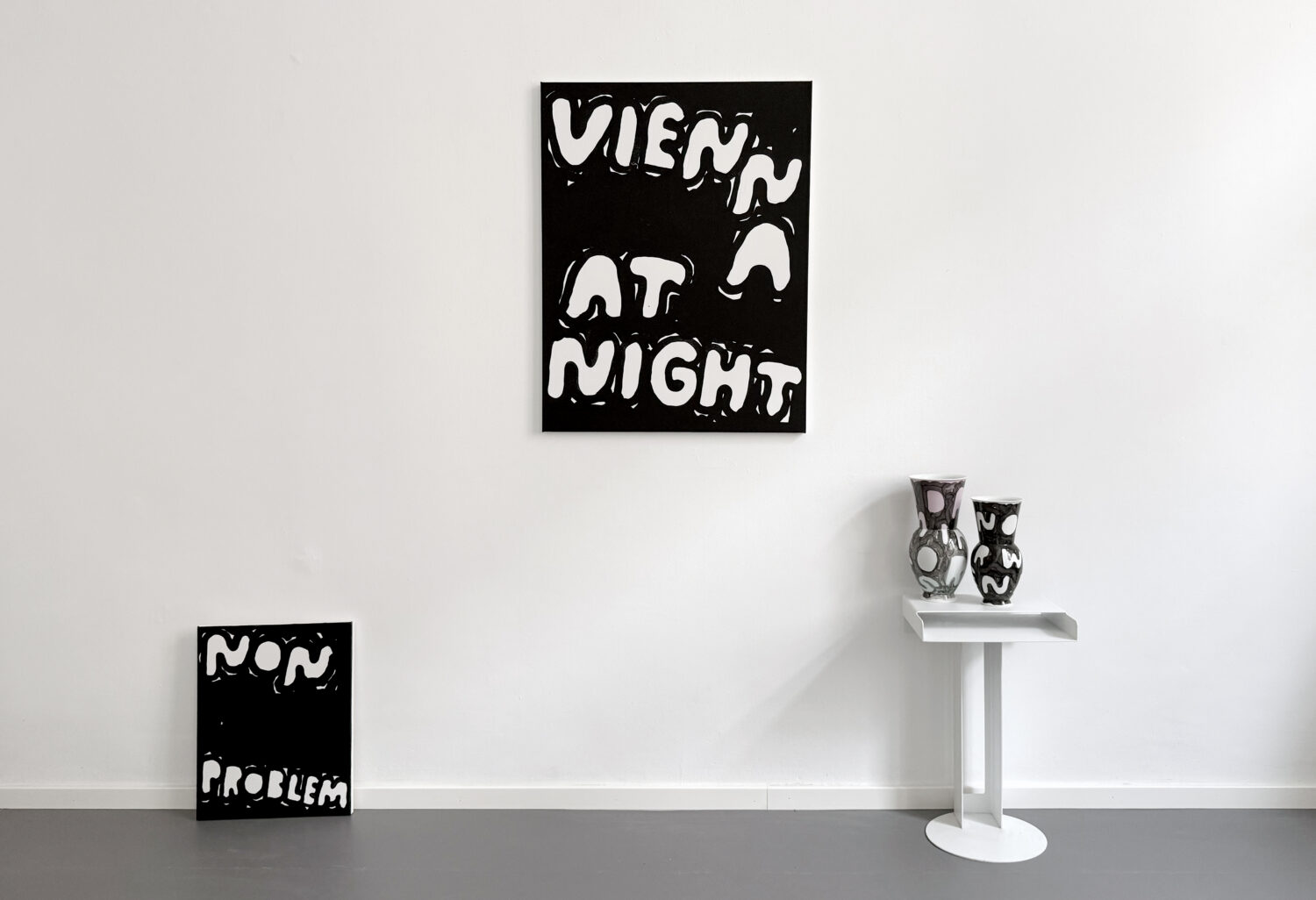
Everyone has a Stefan Marx Moment
Stefan Marx is a master of punchlines. His mini-poems move effortlessly from playful irony and love-bombing messages to self-reflective musings, a mother’s timeless advice, a banker’s blunt truths, or a psychiatrist’s sharp insights. Everything he writes sounds familiar, and everything he draws looks familiar. Yet it is his bold, cloud-like, balloonish typography, handwriting, and drawing that give these words and images the sense of having always been his own—as though their existence begins the moment he renders them in bold letters.
Marx’s practice is that of a translator. Everything around him eventually makes its way into his works. He assembles material from sources that appear mundane: the internet, media, songs, articles, chats, conversations overheard on airplanes, observations, people, advertisements, or trading. By weaving bank language, CEOs’ mantras, and love poems with his own associations with life, his artistic practice becomes democratic. At the same time, his works challenge the volatility of language: they show that language is not fixed, but flexible, unpredictable, and sometimes surprising.
Take, for example, the black-and-white painting “Sad Generation with Happyyy Pictures.” With the precision of a poet, he manages to express an extraordinary amount about the current Zeitgeist while using only a handful of words and playing with them. This economy of language is central to his work: it feels minimal in its appearance but strong in its message. In “Love Letter”, the painting becomes the letter itself. What unfolds is not a literal message, but a space for imagination. The meaning shifts from person to person, yet the underlying sentiment remains universally understood. In this way, Marx transforms language into a shared emotional experience. While the themes can be deeply serious, Marx always includes a subtle wink; his practice is ultimately tragicomic. Another layer of his distinctive typography is the expansion of words across the canvas, allowing the text to fully occupy the space. In works such as “days into yearsss,” the repeated “s” elongates the spoken word and turns it into a visual gesture.
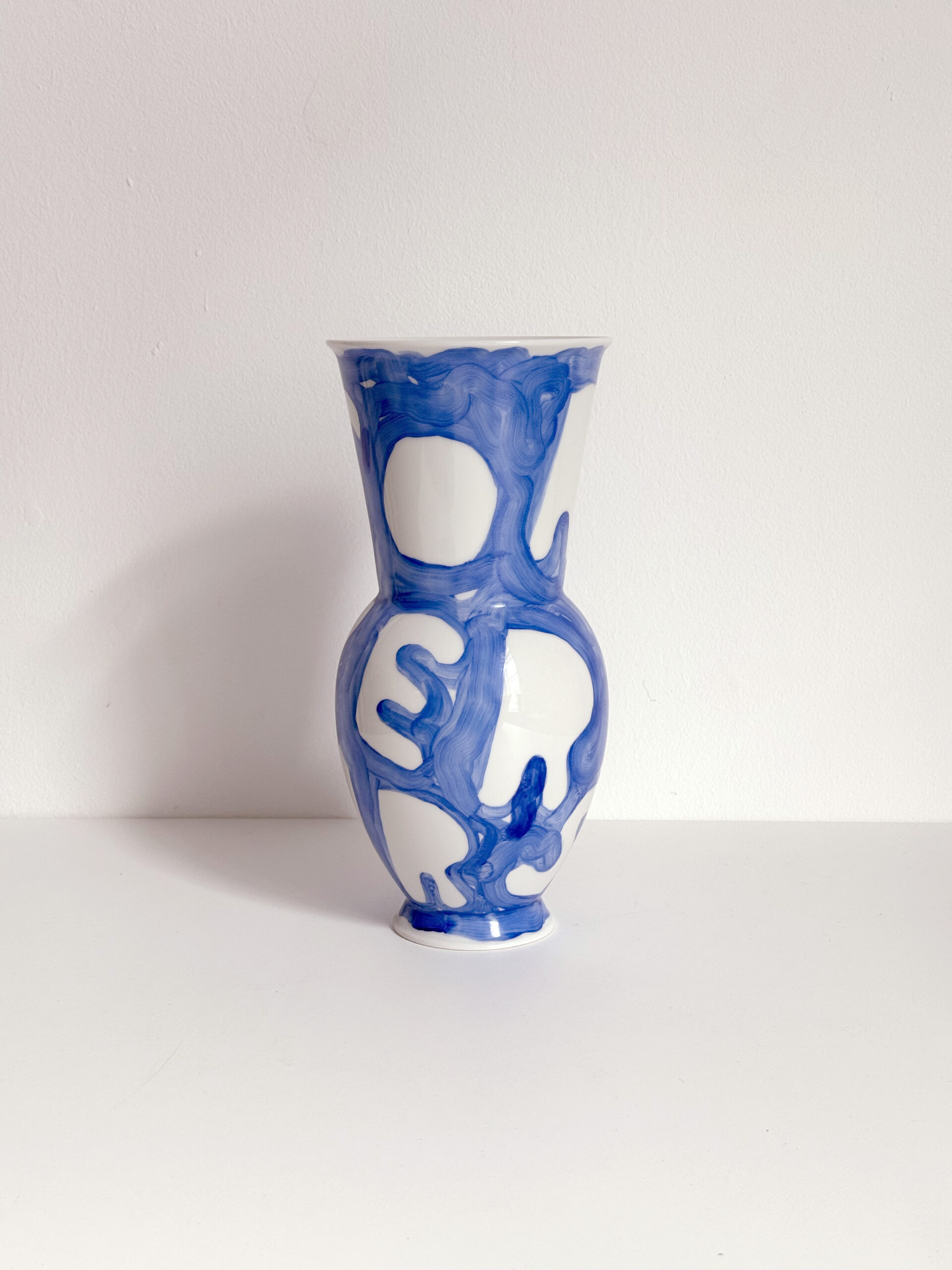
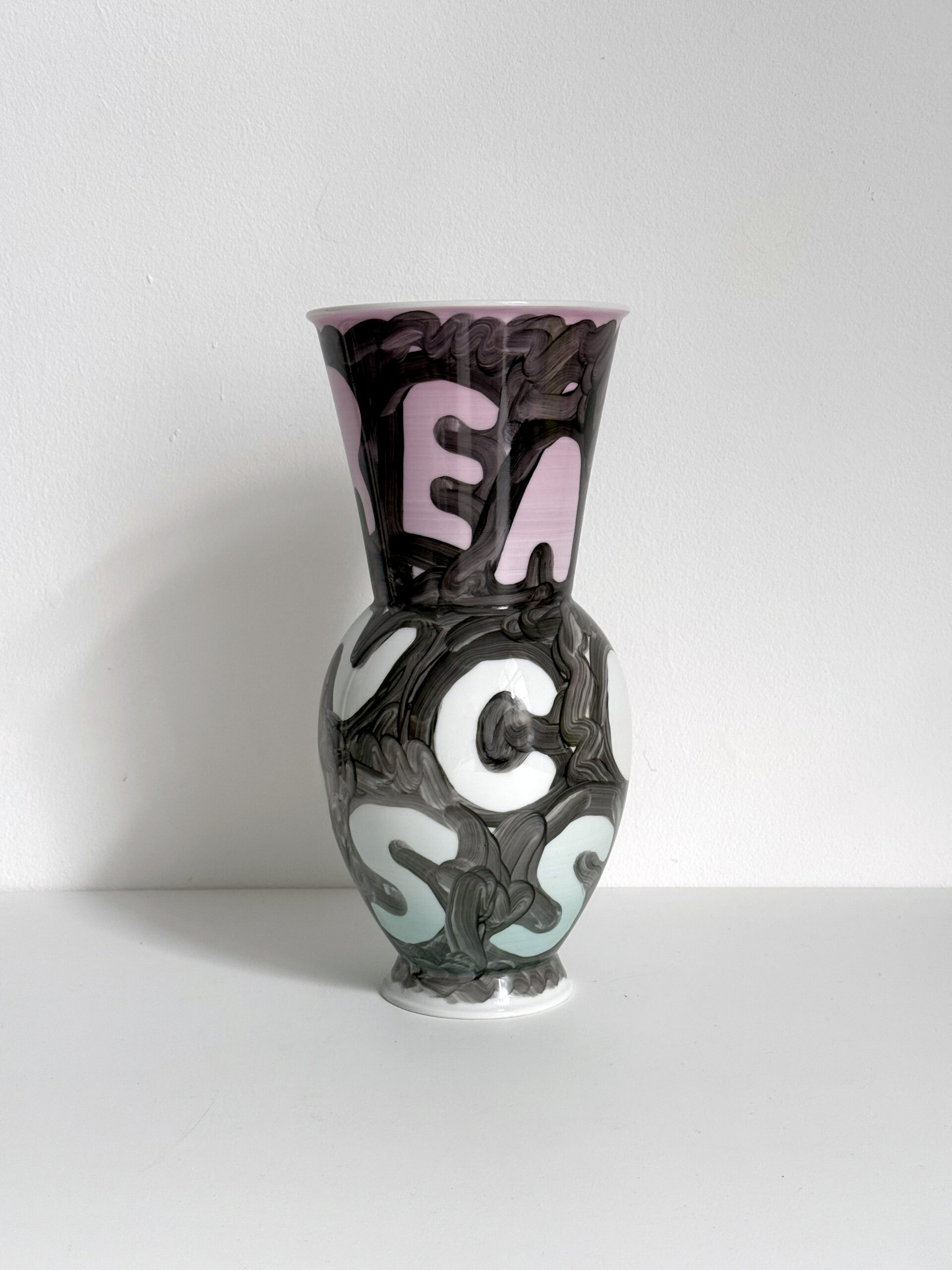
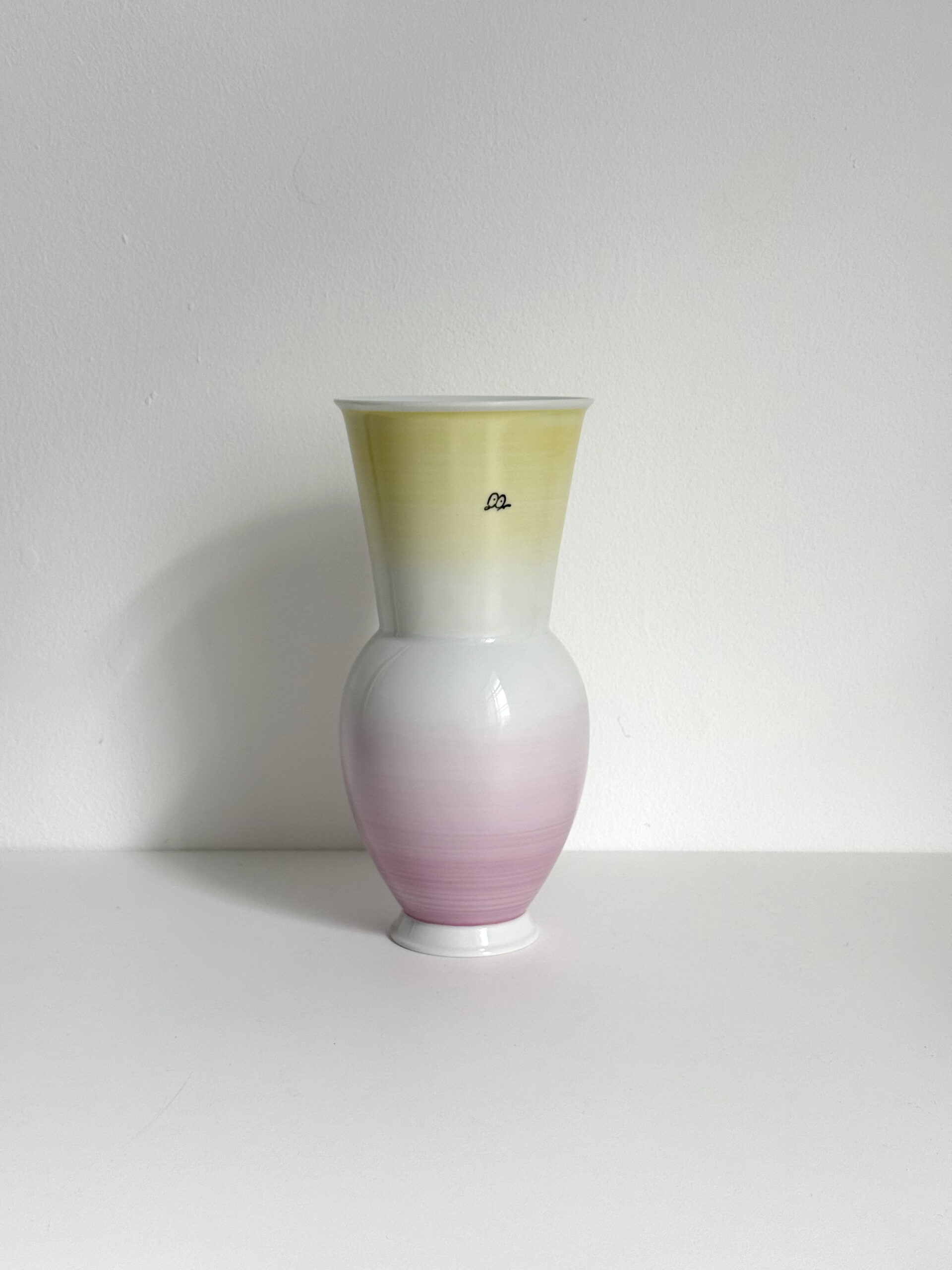
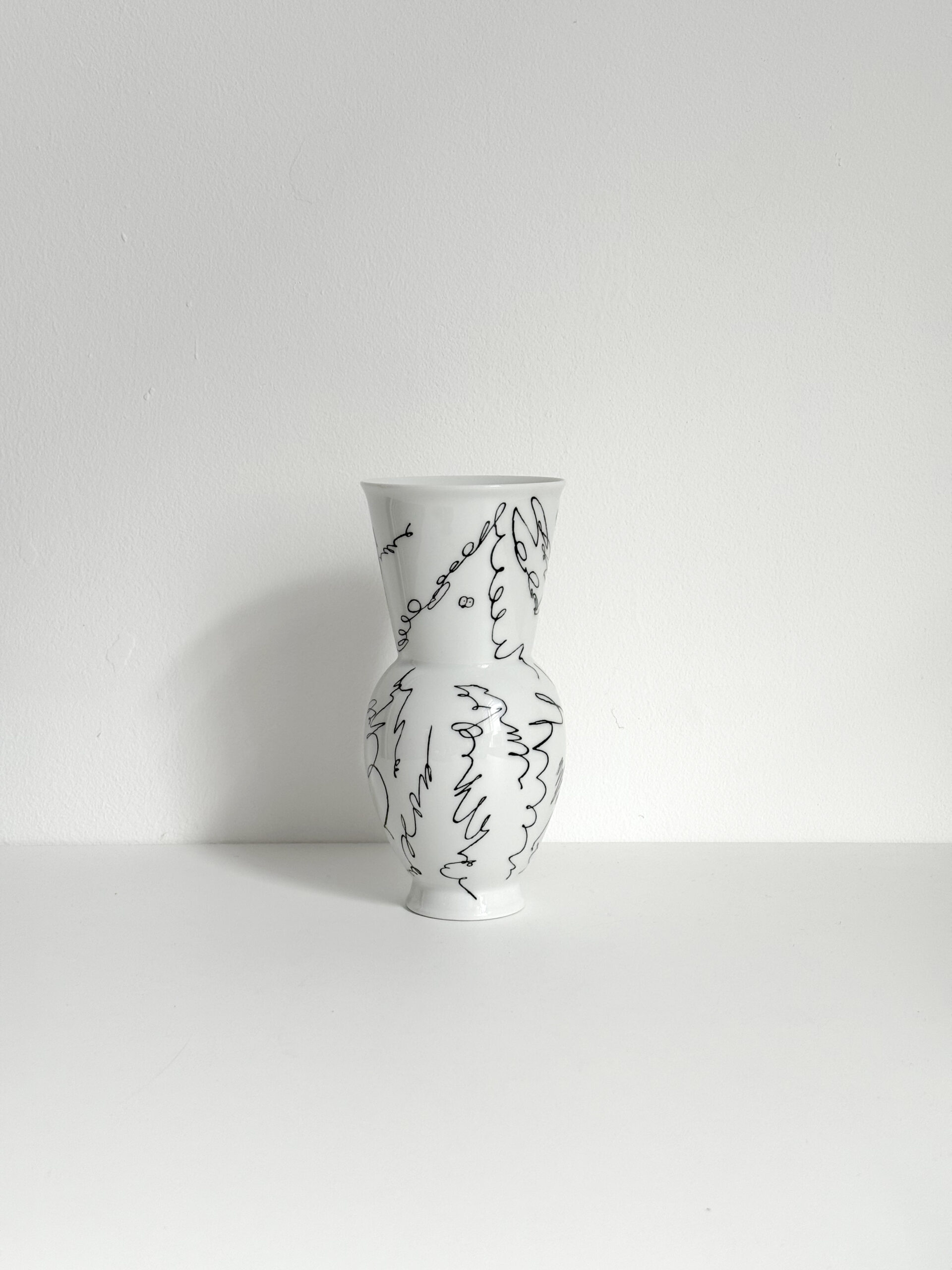
His poised and pointed mini-poems form the central anchor of his artistic practice, yet the breadth of his output spans both traditional and non-traditional media. Canvases, works on paper, porcelain, installations, prints, zines, and books are familiar terrain, whereas aircraft, billboards, marble, or even Lufthansa sleeping masks occupy the far end of the spectrum. This range reflects Marx’s restless curiosity and his desire to bring his language and imagery into unexpected contexts, challenging the perception of where art can and cannot exist.
Drawings in general are more than an art form—they are instruments of thought, tools for transferring knowledge, methods of planning, and ways of understanding the world. Their origins reach back to prehistoric cave paintings, marking some of the earliest expressions of human culture. During the Renaissance, drawing gained a central place in artistic practice. The Italian concept of disegno (“drawing/design”) articulated this renewed importance, encompassing far more than mere sketching. It signified both the intellectual idea—the “concept in the artist’s mind” (disegno interno)—and its physical realization (disegno esterno), a union of technical skill and creative imagination that defined the essence of artistic creation. In Marx’s work, the hand is as vital as the brain, perhaps even its favorite collaborator.
To this day, drawing remains one of the most important sources in contemporary art. Think of Cecily Brown, Hanne Darboven, Jenny Holzer, Robert Longo, Franz-Erhard Walther, Kara Walker, and many more. In the case of Marx, he compiles and breaks down the constant influx of information that surrounds us every day. Using fragments, quotes, and appropriated language, he creates works that distill both the sense and the senselessness of our time. Simultaneously, he explores how design and typography influence the power, ambience, and character of language. With this, a phenomenon emerges that could be described as “Everyone has a Stefan Marx moment”.
Text: Theresa Weise
Stefan Marx (*1979, Schwalmstadt; lives and works in Berlin) develops a distinctive visual language from drawing and writing. His works are made on paper, canvas, porcelain, and textiles, while his publications range from self-publishing to collaborations with various publishers. Exhibited internationally and widely published, he has for years shaped a unique visual and conceptual practice. In his first exhibition at Galerie Krobath Wien, Stefan Marx presents new canvas works.
A wall drawing will also be created within the gallery space.
Further informations:
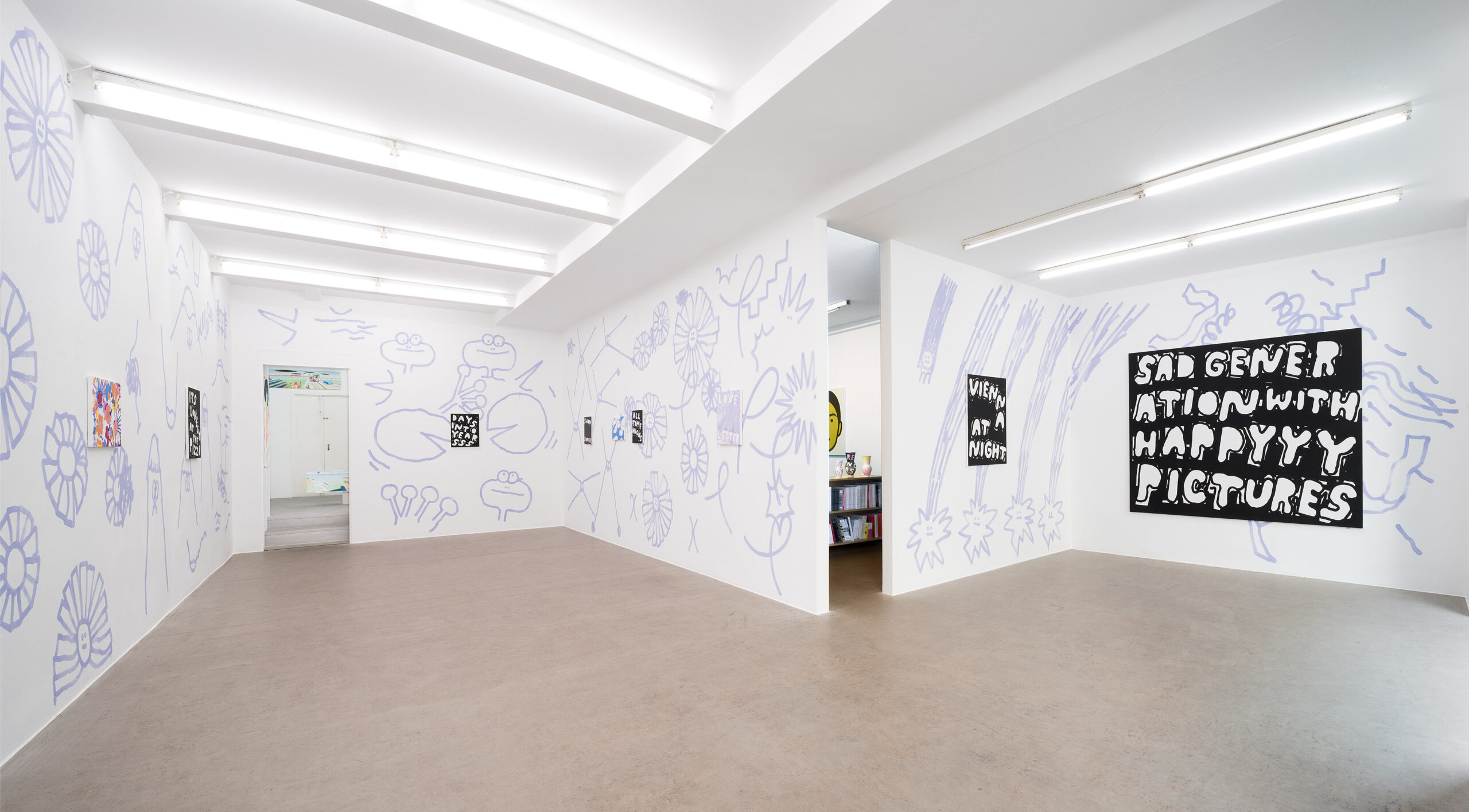
Installation View. Photo: Rudolf Strobl
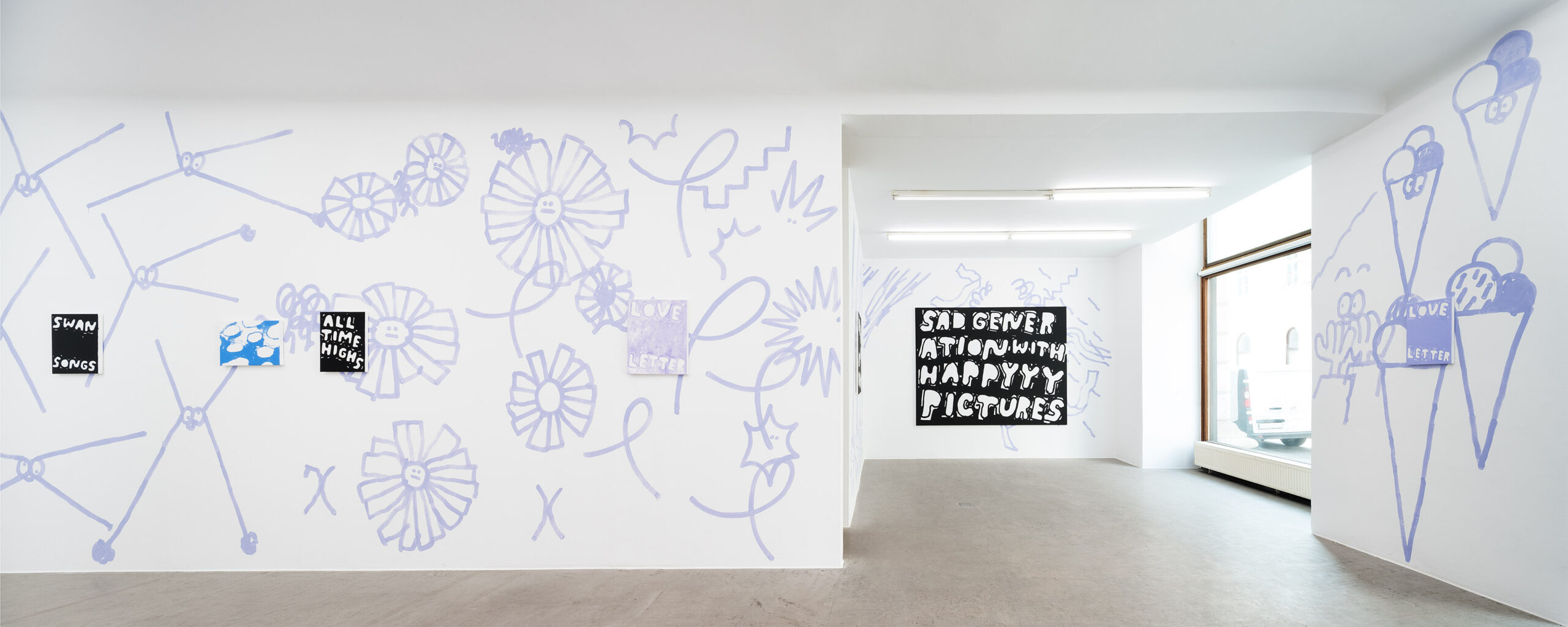
Installation View. Photo: Rudolf Strobl
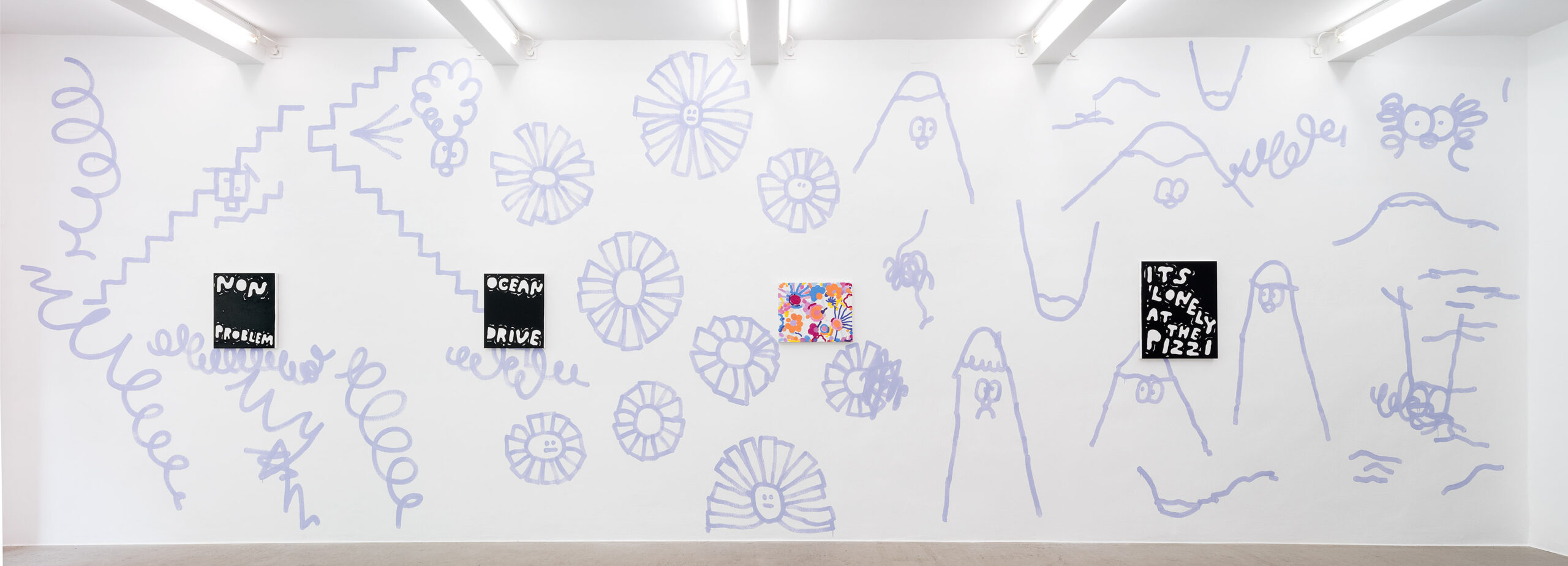
Installation View. Photo: Rudolf Strobl
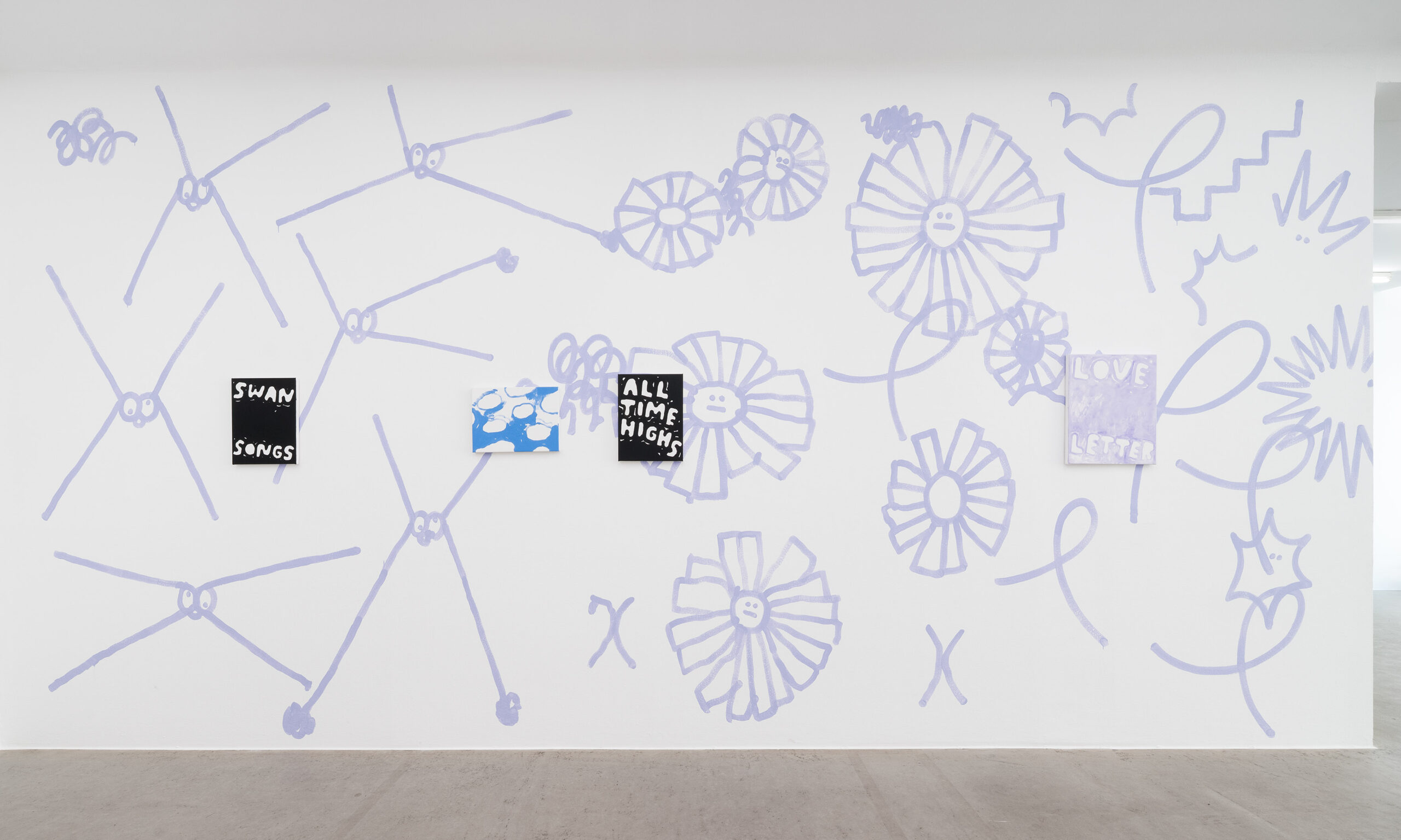
Installation View. Photo: Rudolf Strobl
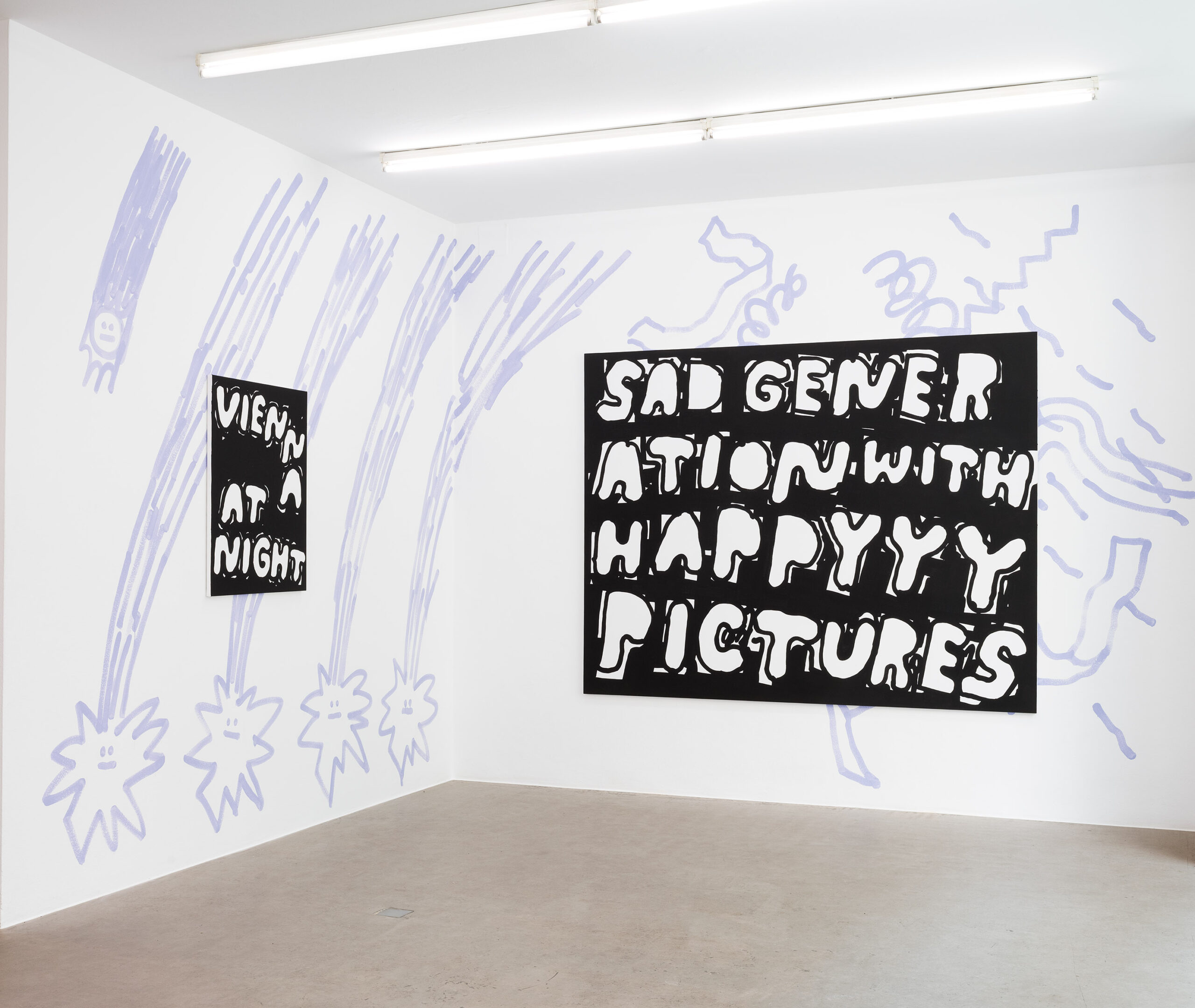
Installation View. Photo: Rudolf Strobl
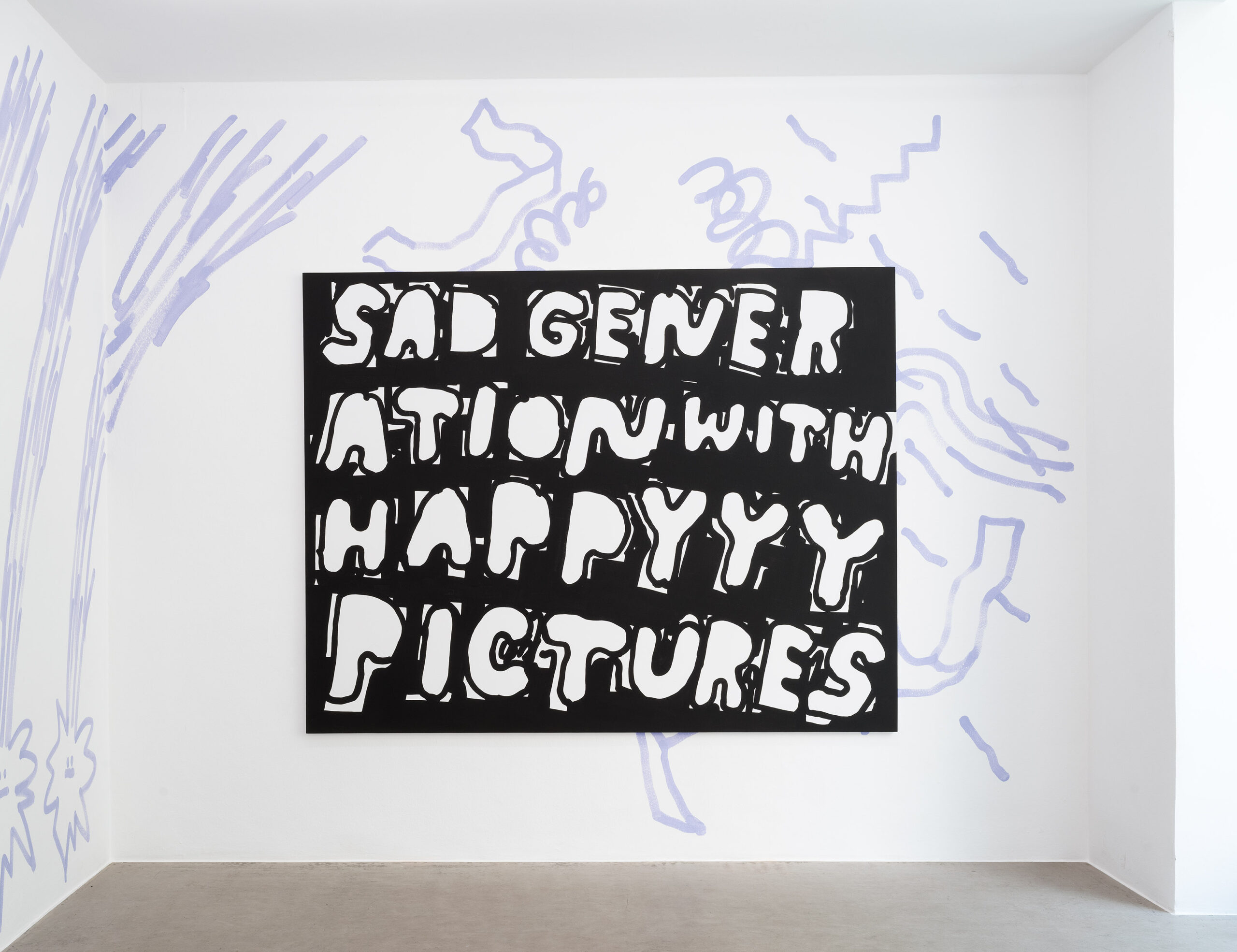
Installation View. Photo: Rudolf Strobl
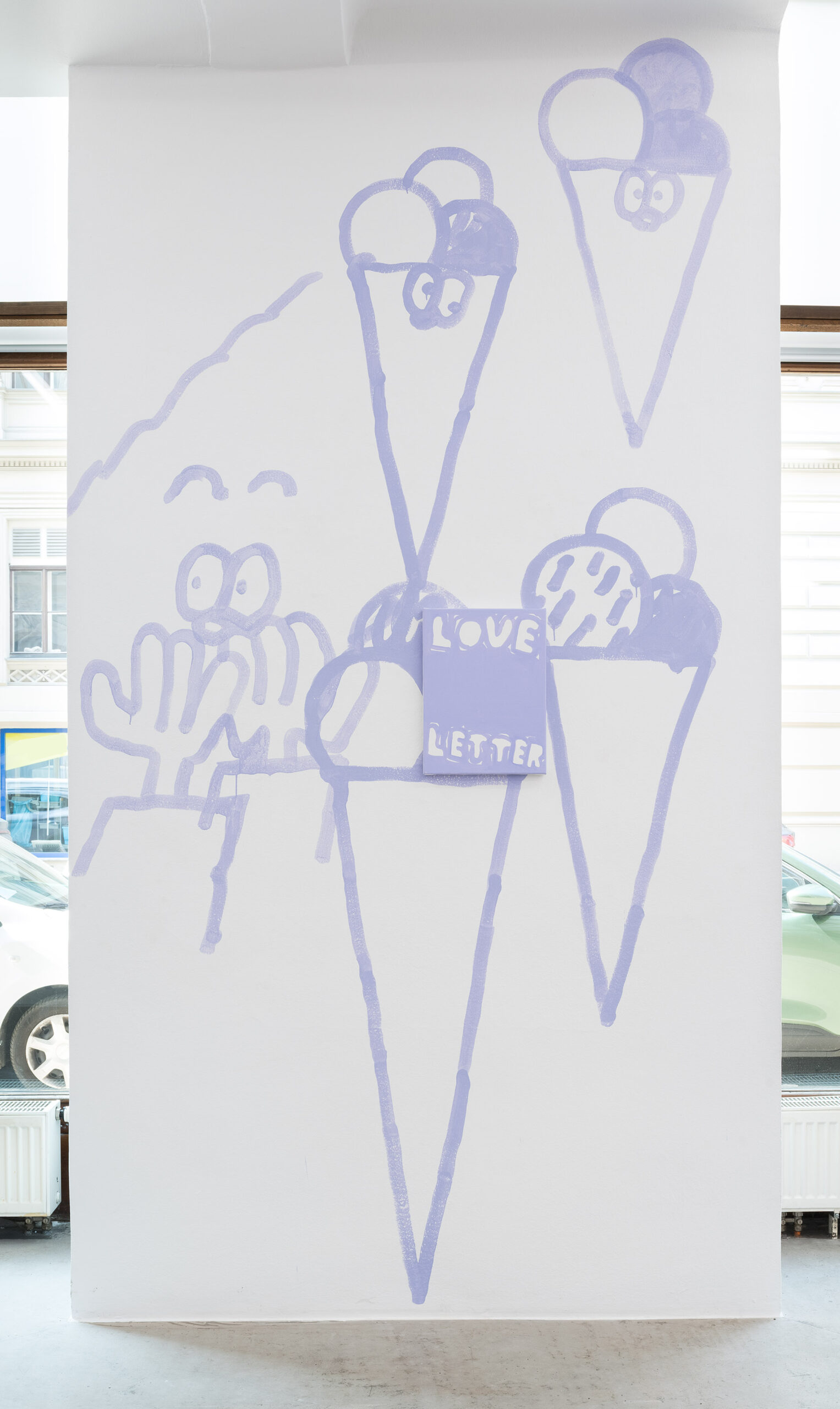
Installation View. Photo: Rudolf Strobl
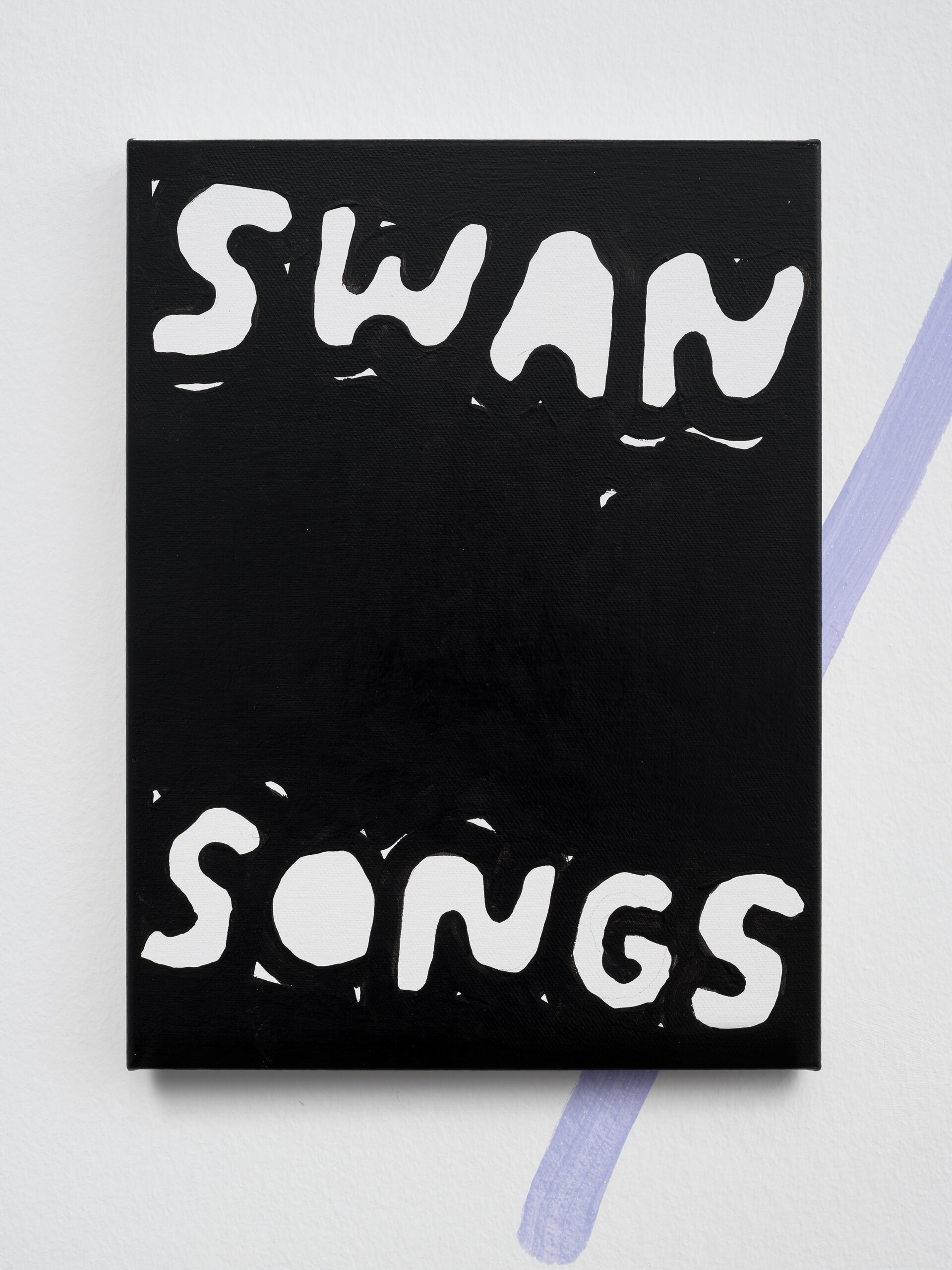
Swang Songs, 2026
Oil on canvas
40 x 30 cm
unique
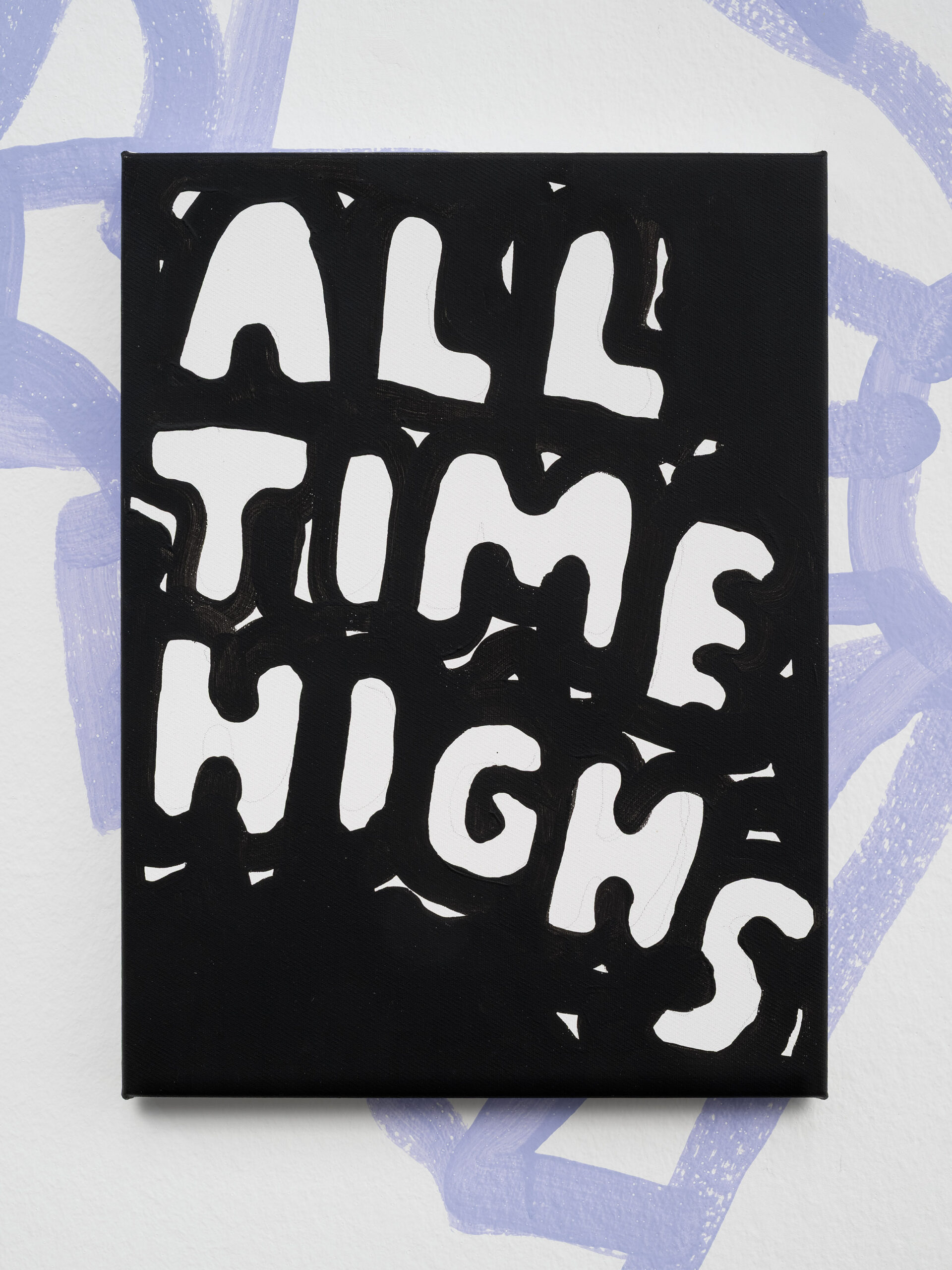
All Time Highs, 2026
Oil on canvas
40 x 30 cm
unique
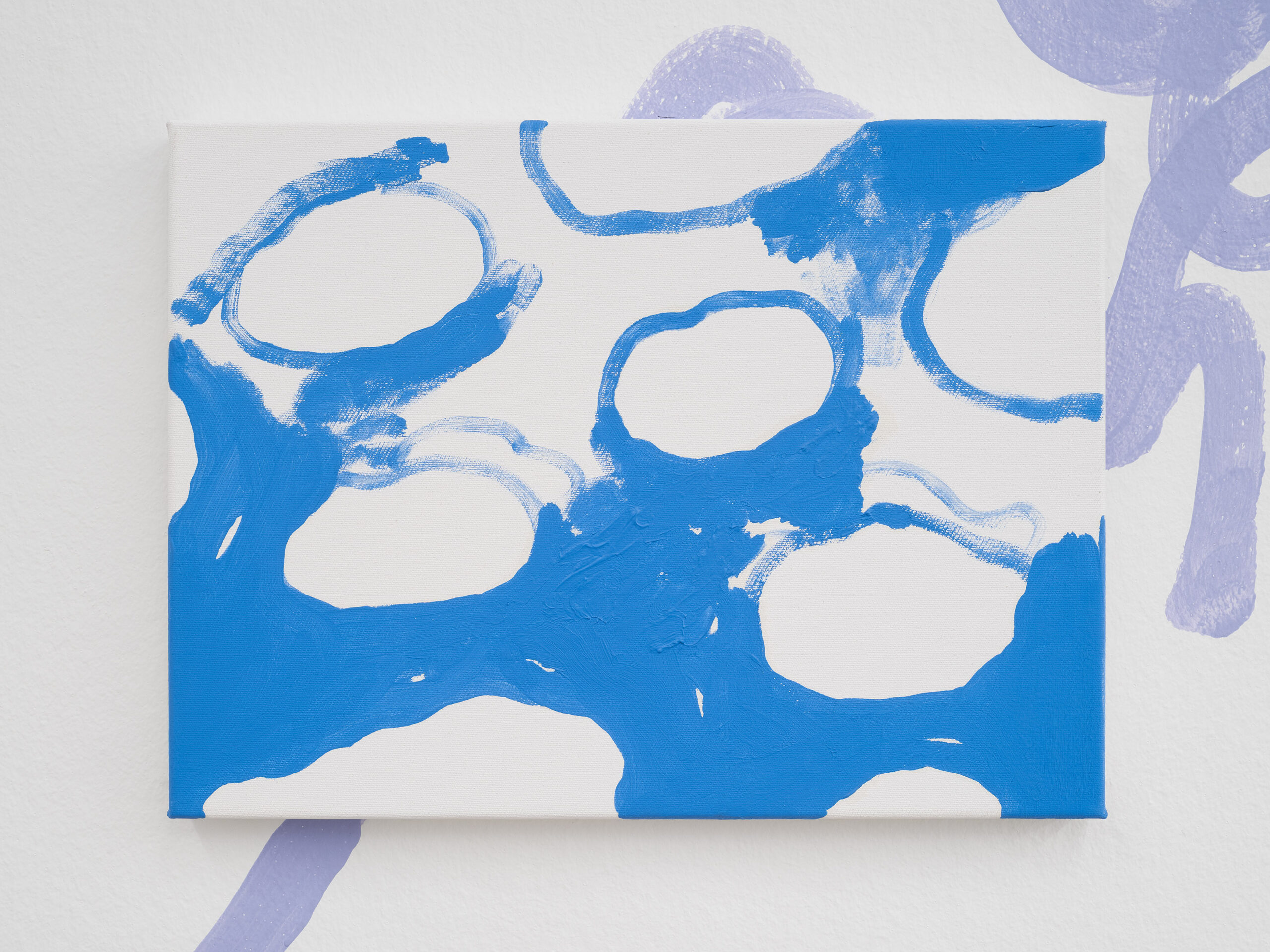
BER-VIE Wolken, 2026
Oil on canvas
30 x 40 cm
unique
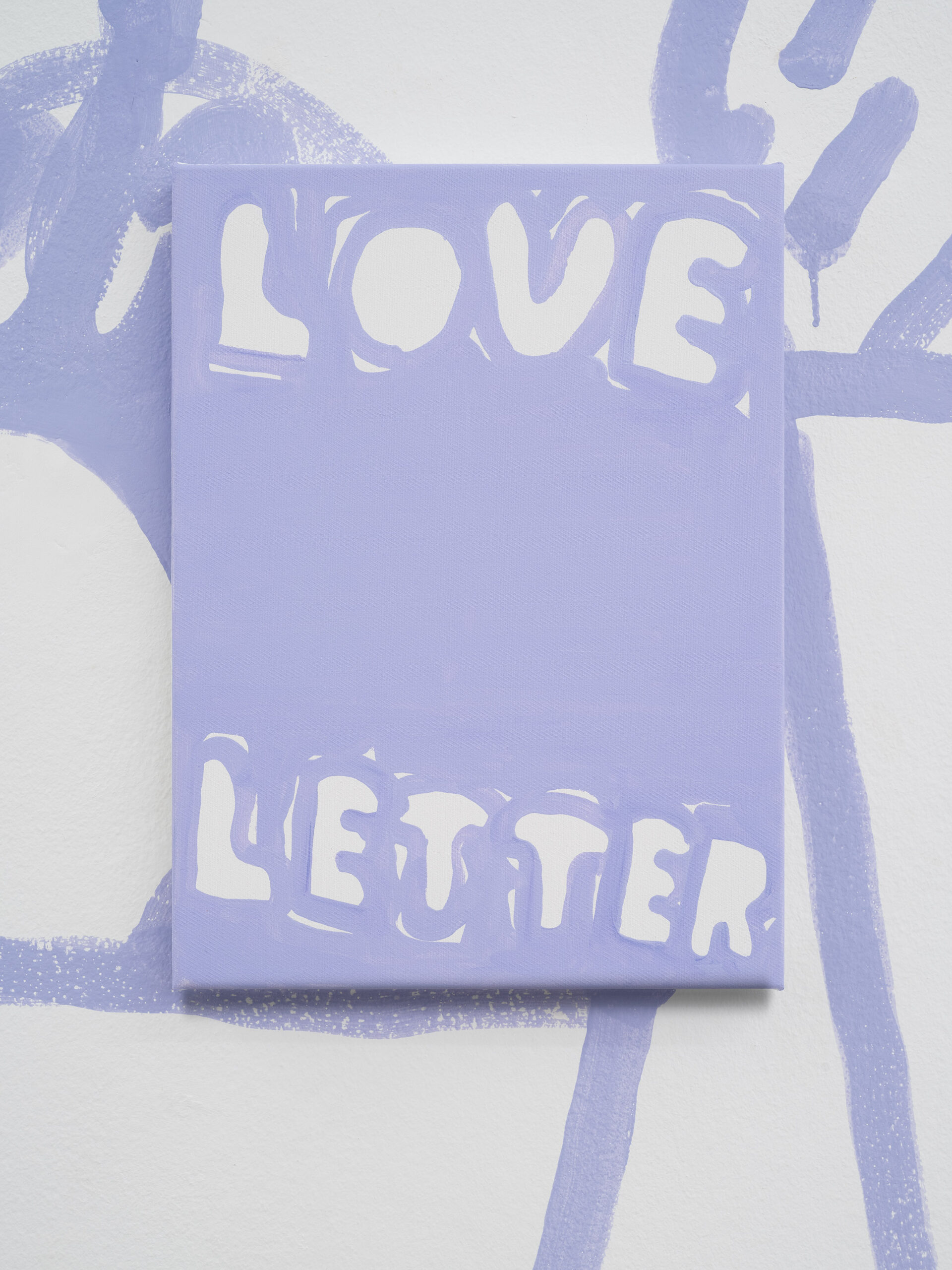
Love Letter, 2026
Oil on canvas
40 x 30 cm
unique
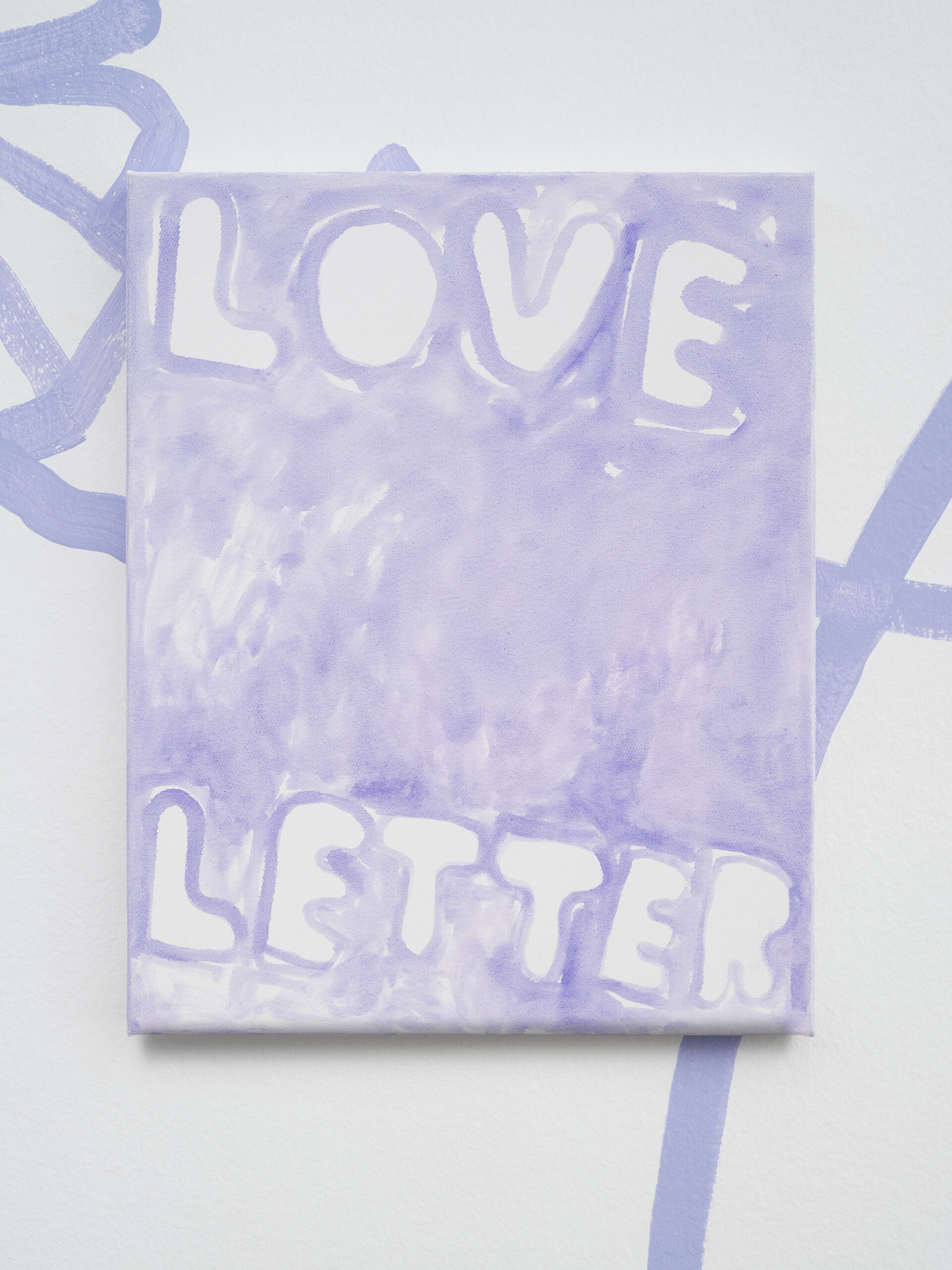
Love Letter, 2026
Oil on canvas
50 x 40 cm
unique
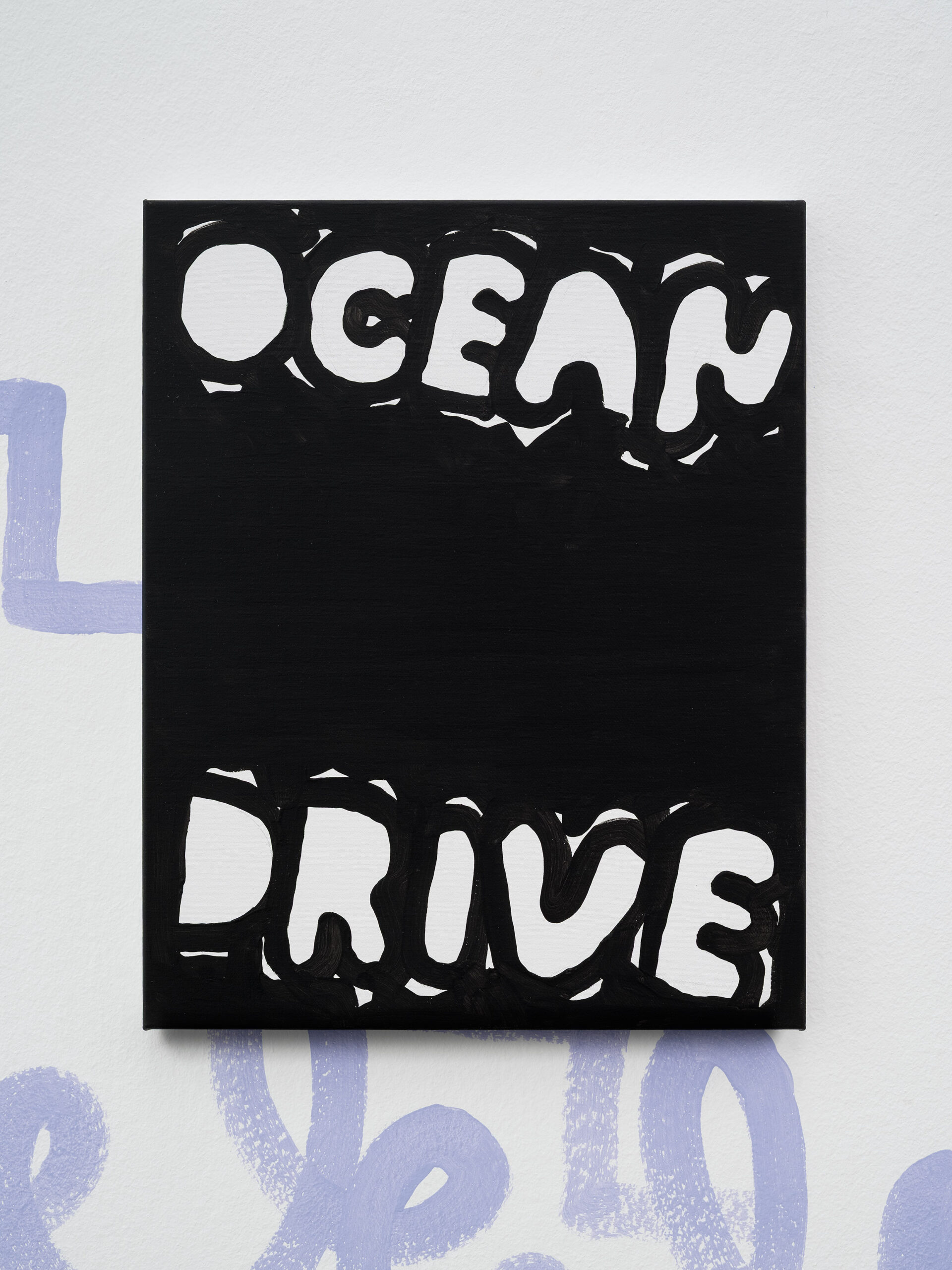
Ocean Drive, 2026
Oil on canvas
50 x 40 cm
unique
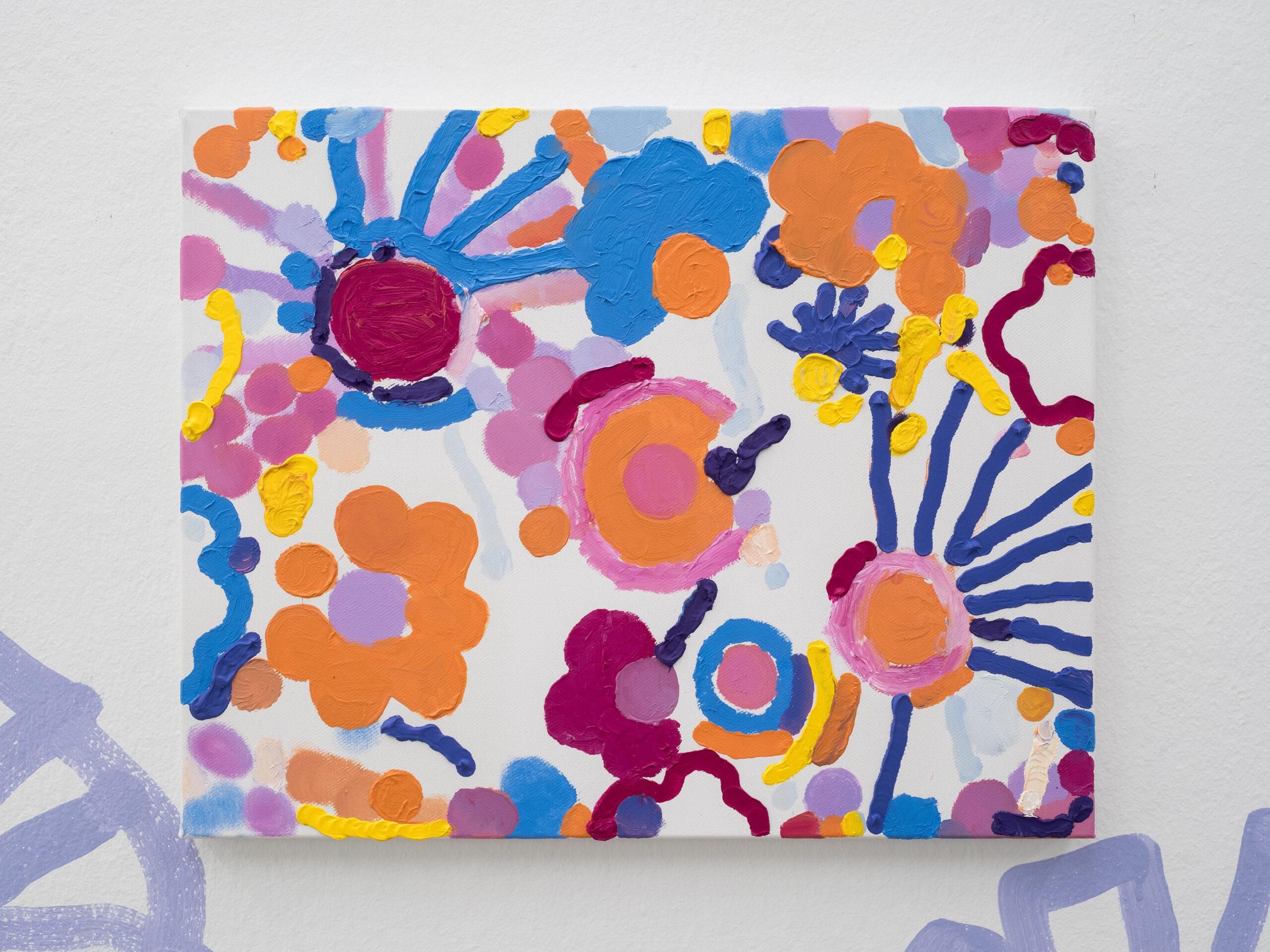
All my Flowers, 2026
Oil on canvas
40 x 50 cm
unique
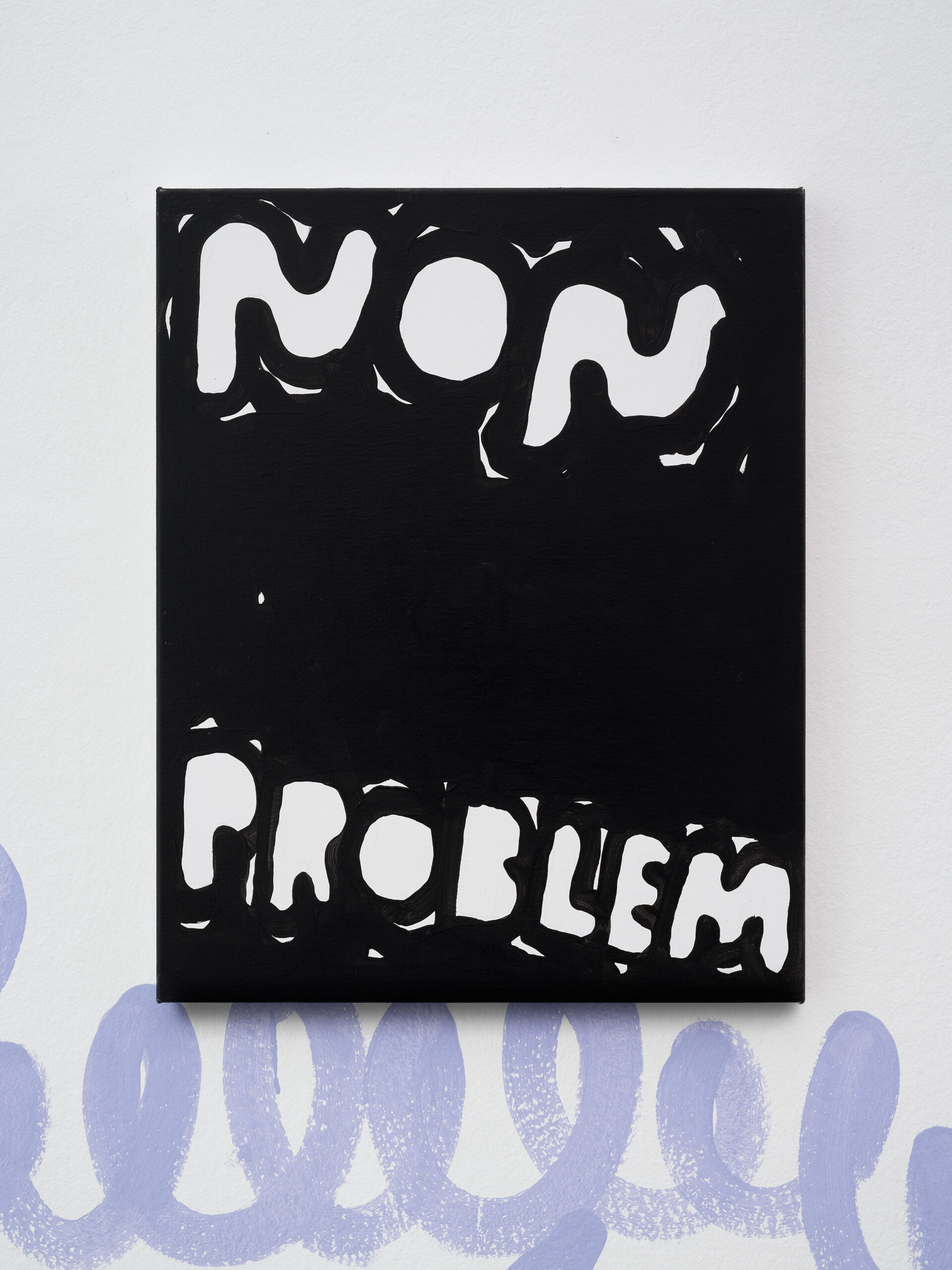
Non Problem, 2026
Oil on canvas
50 x 40 cm
unique
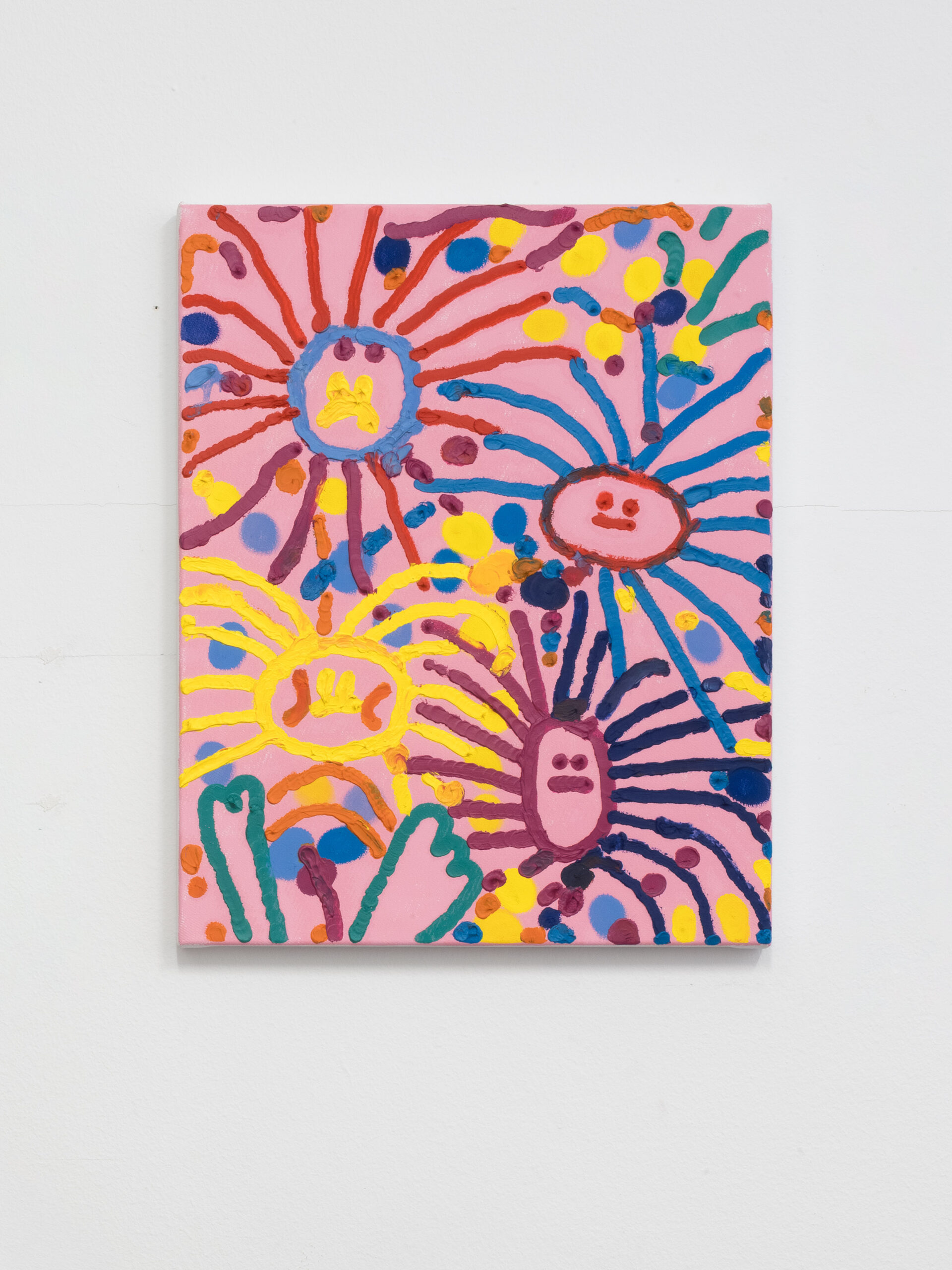
Blumen, 2025
Oil on canvas
50 x 40 cm
unique
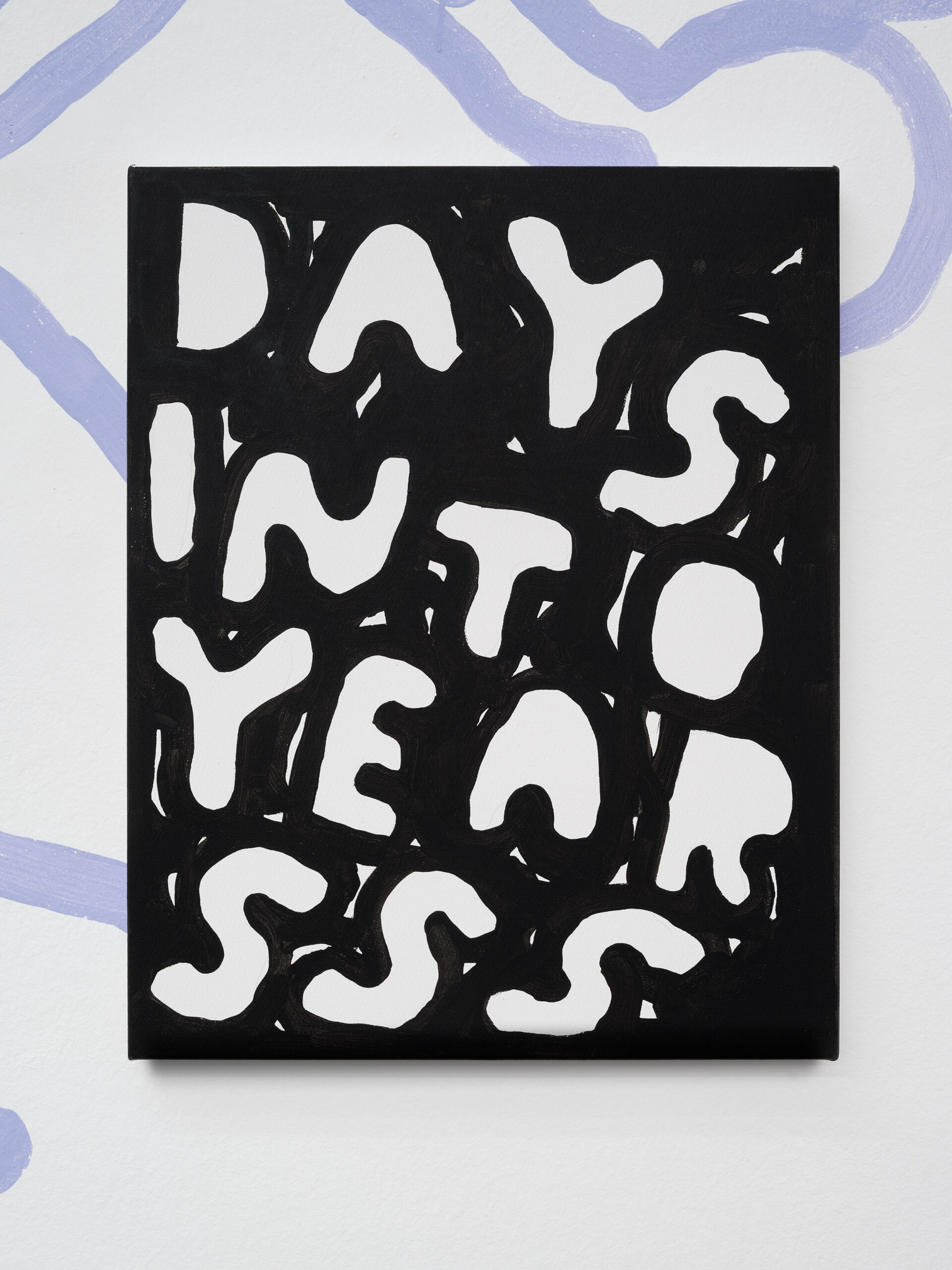
Days Into Yearsss, 2026
Oil on canvas
50 x 40 cm
unique
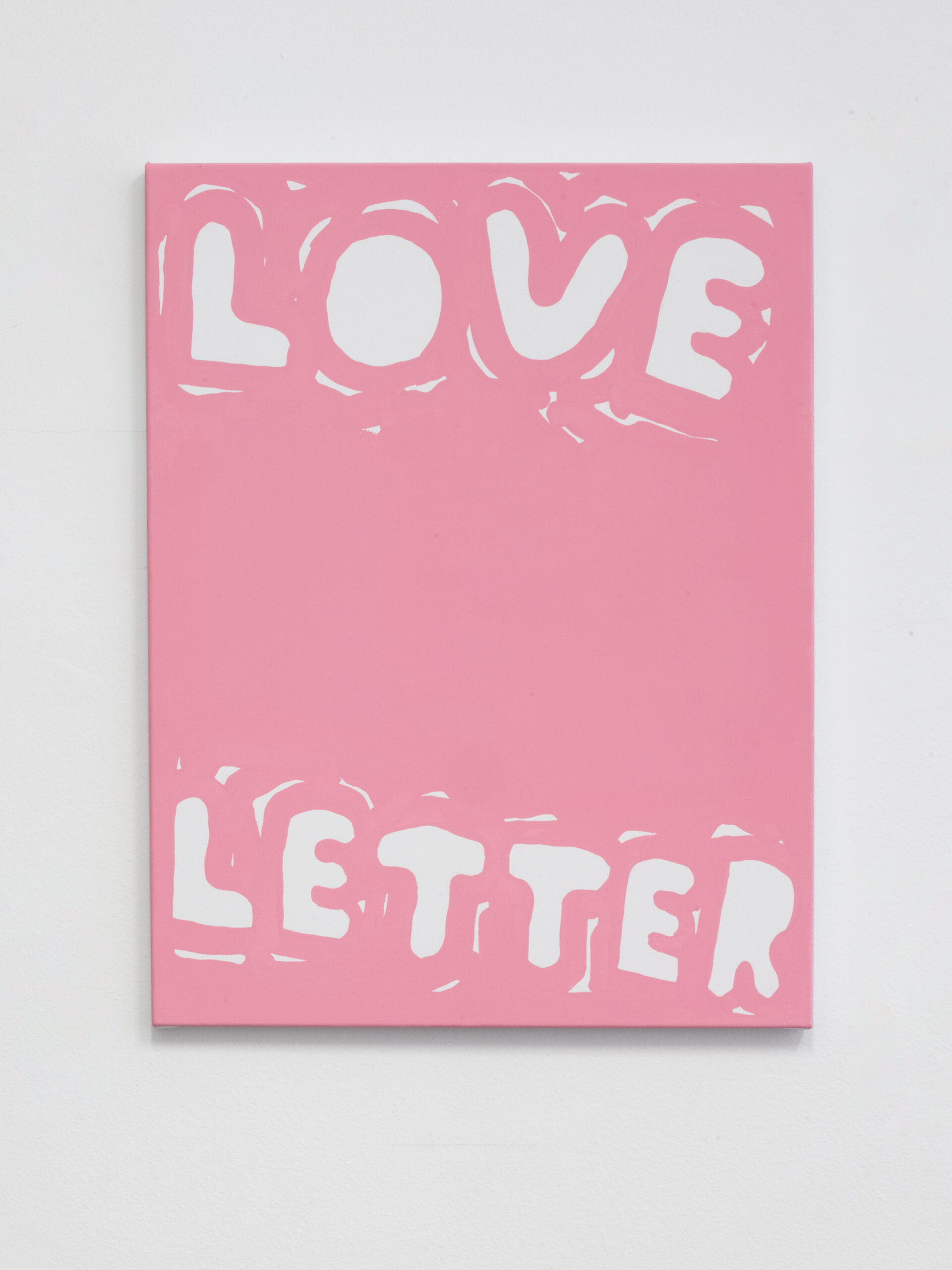
Love Letter, 2026
Oil on canvas
65 x 50 cm
unique
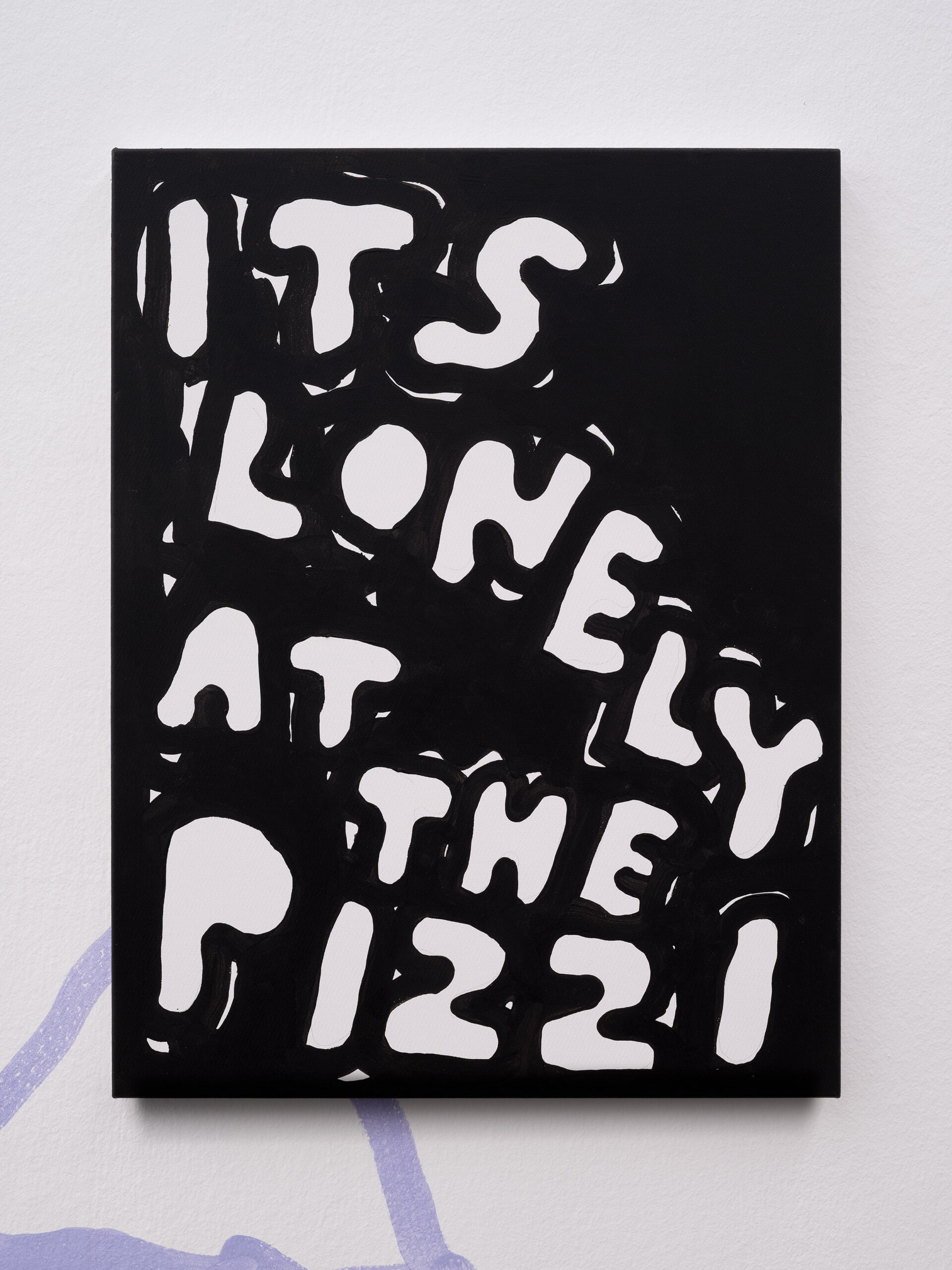
It's lonely at the Pizzi, 2026
Oil on canvas
65 x 50 cm
unique
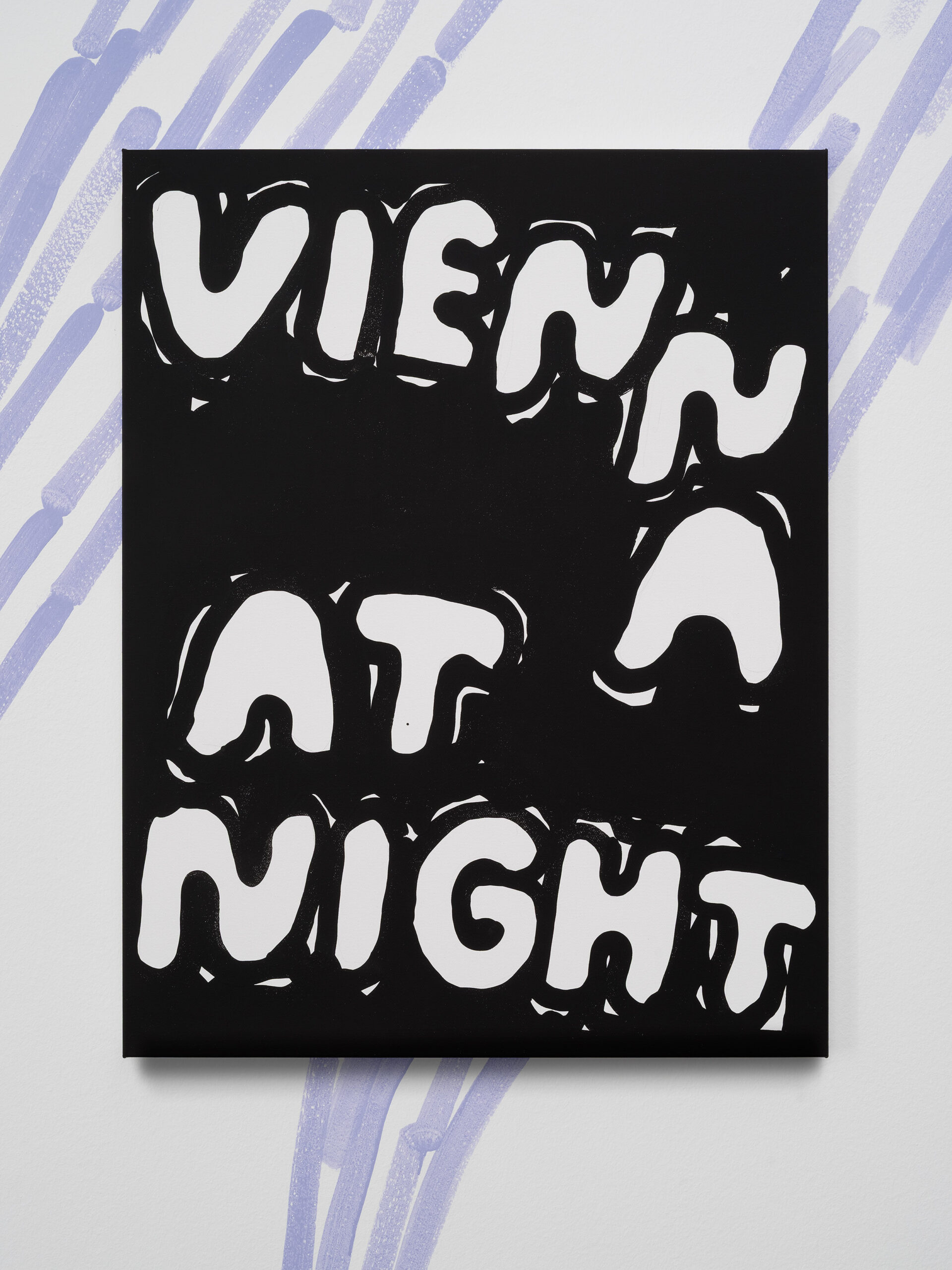
Vienna at Night, 2026
Oil on canvas
90 x 70 cm
unique
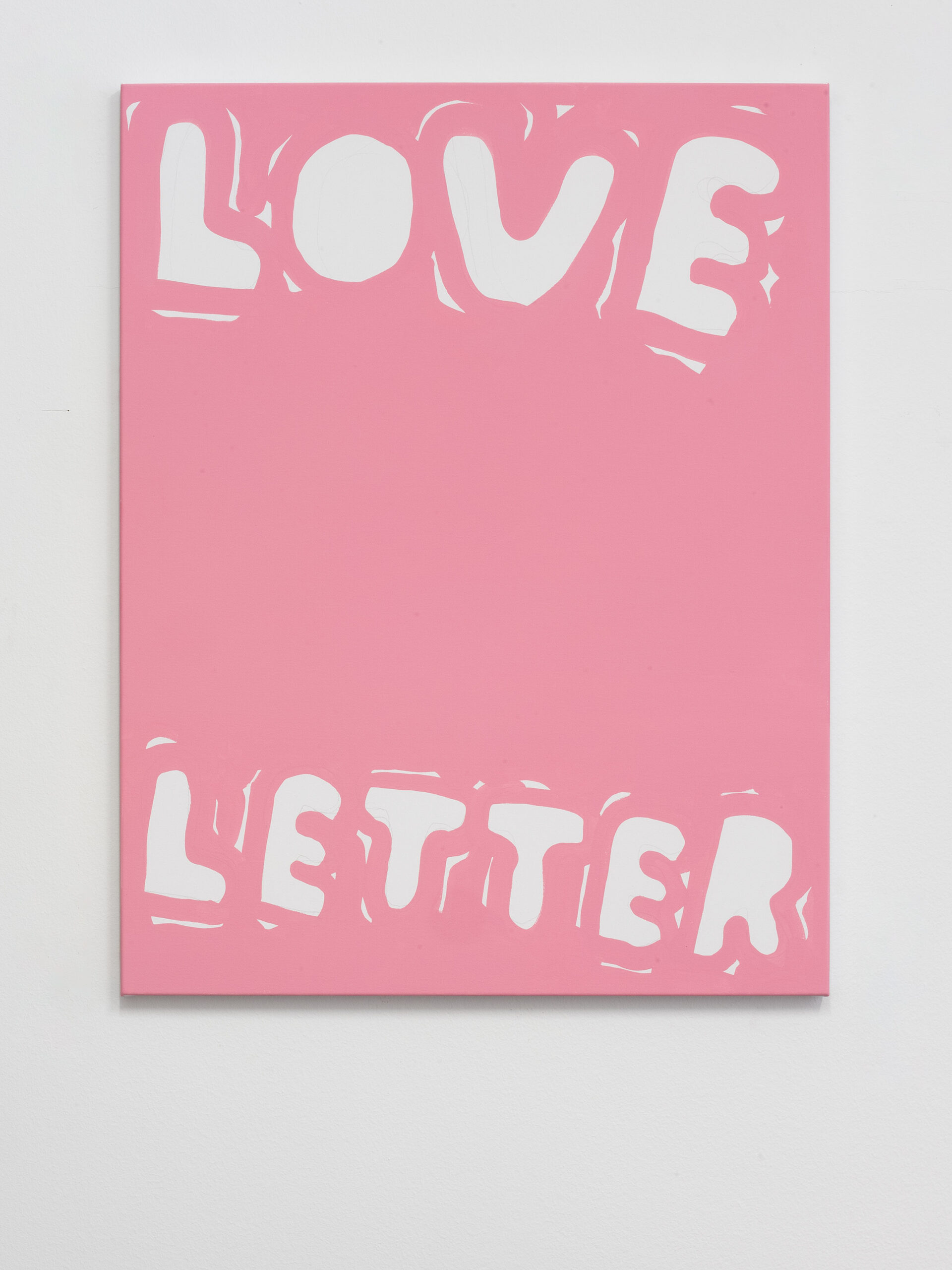
Love Letter, 2026
Oil on canvas
90 x 70 cm
unique
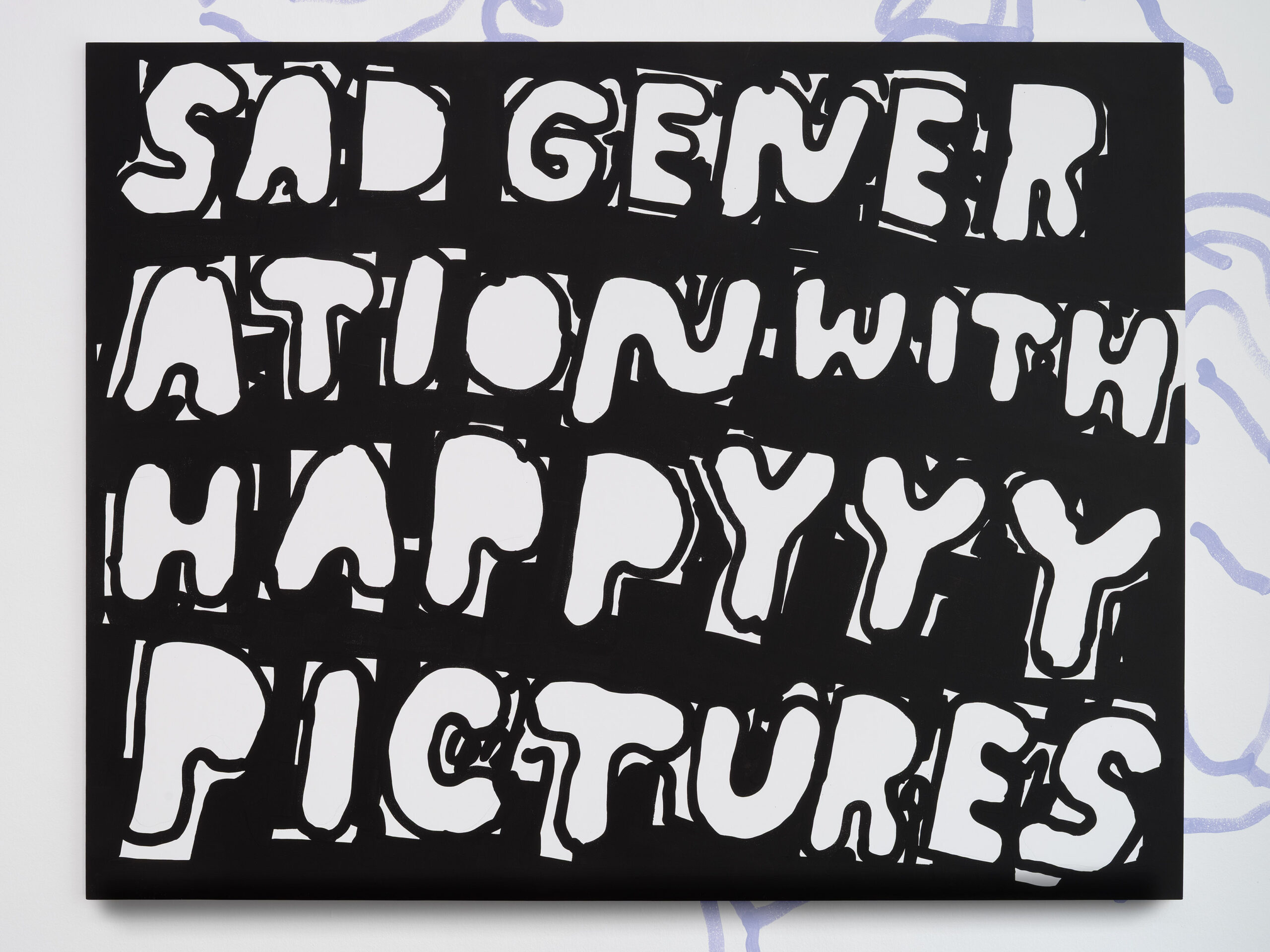
Sad Generation With Happyyy Pictures, 2026
Acrylic on canvas
180 x 230 cm
unique
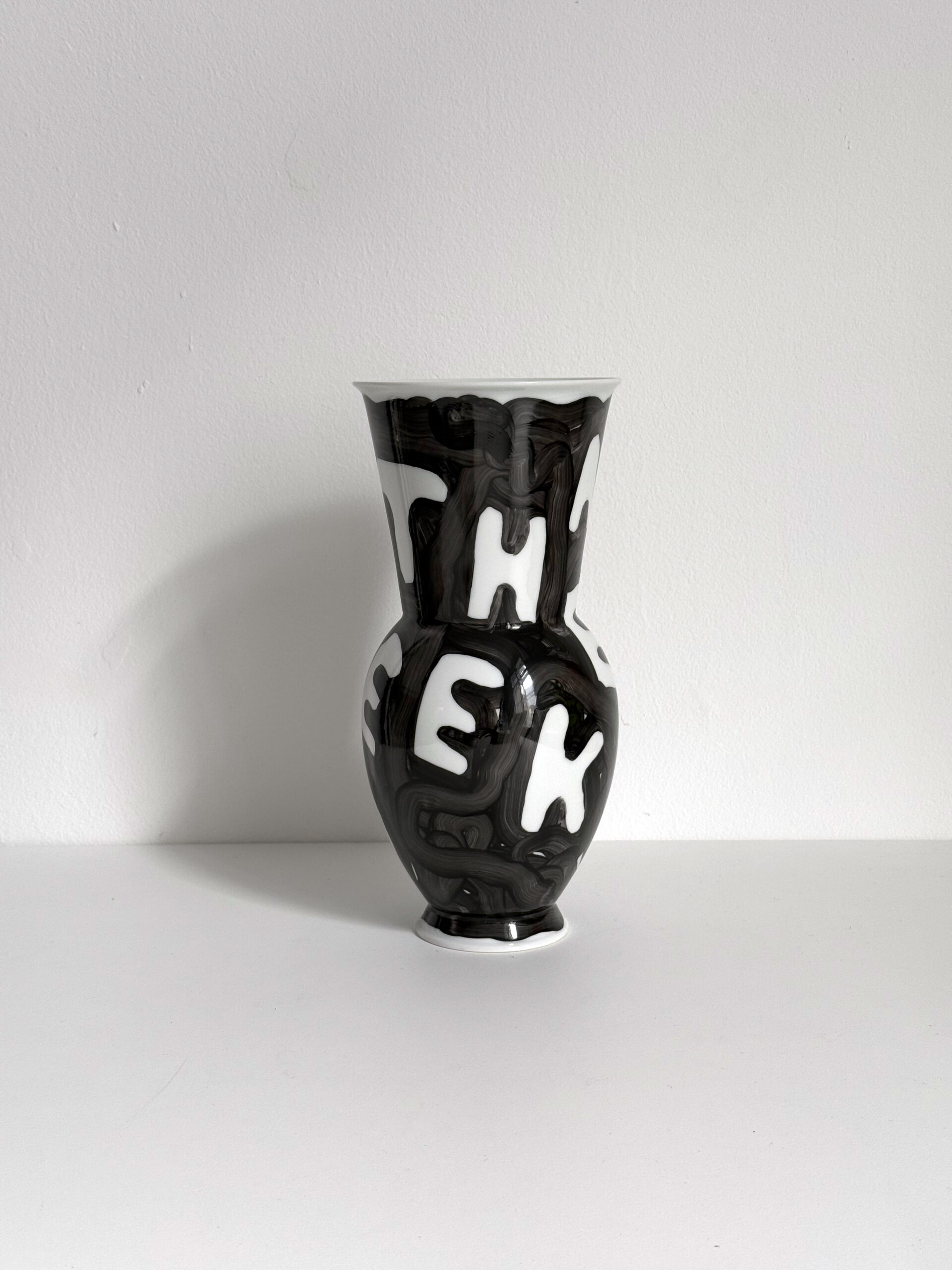
Another Weekend, 2026
Vase hand-painted
25 cm
unique
Forever Yours, 2026
Vase hand-painted
25 cm
unique
I Dream in Colours, 2026
Vase hand-painted
30 cm
unique
Verlauf, 2026
Vase hand-painted
25 cm
unique
Zeichnung, 2026
Vase hand-painted
25 cm
unique