our love (illusio) is everything that the waterfall is (doxa) curated by Christian Egger
11.09.—17.10.2026
Bruce LaBruce . Herbert De Colle . Crisfor . Carola Dertnig . Michaela Eichwald . Labrilena Konstantelou . Georgie Nettell . Rade Petrasevic . Amol K Patil . Gerwald Rockenschaub . Giorgos Tigkas . Jenni Tischer . Sue Tompkins . B. Wurtz
our love (illusio) is everything that the waterfall is (doxa)
First, to briefly explain the quotes in the title: The underlying structure stems from the German band Eisenvater and their song Uns’re Liebe (Our Love). One line goes, “Our love is like a waterfall.”1). I found this allegory – a powerful, mighty source of endlessly cascading, cooling, clear, refreshing water amidst the increasing drought and parchedness brought on by the global climate crisis, coming from a band in a genre (heavy metal) whose audience is known for maximum, unconditional loyalty – useful for the curatorial thinking behind this exhibition. The phrase “everything that the waterfall is” is a deliberately clunky allusion to the opening sentence of Ludwig Wittgenstein’s (1889–1951) Tractatus Logico-Philosophicus. These two components are, in turn, framed by two concepts from sociologist Pierre Bourdieu (1930–2002): illusio and doxa (Ancient Greek: dóxa, meaning “opinion”). Illusio describes the mechanism by which social groups – or classes and individuals – deceive themselves and are deceived regarding society’s actual power structures, thereby unconsciously contributing to the reproduction of the prevailing order. Doxa, meanwhile, covers beliefs and opinions taken to be real or true without ever questioning them. Transposed onto this year’s theme of curated by, “Our Love” emerges as a conviction and an assumption that is taken for granted, one that simultaneously contributes unconsciously to the ongoing reproduction of concepts of love. Trying to widen and open up the concept of love, and led by a certain over-fixation, I stumbled at the outset of my preparations from associative memories of Kim Casali’s (1941–1997) comic strip Love Is… and its bywords on twosomeness to Martin Kippenberger’s (1953–1997) series of canvas paintings bearing the I-LOVE-… stickers that could be ordered and personalized through the newspaper Kurier, and finally to a present-day little treat: the vegan LOVE gummies of the Katjes Wunderland Rainbow Edition. Things became more serious and concrete with my exploration of the photographic phenomenon of double exposure, where individual exposures blur into one another to capture multiple layers of reality, including objects of one’s affection, more holistically. I was equally drawn to the hubris of translating gestures of intimate physicality into sculpture at a 1:1 scale, and to paying personal homage to my own encounters with works I had grown to love – B. Wurtz, for one. Once, while setting up an exhibition, I was rifling through the shipping crate in disbelief, looking for the contents, for the work itself, until I finally made out the artist’s fragile sculptures, scarcely distinguishable from the safety packaging – after seriously wondering, moments before, where what I had come to love so much could possibly be hiding. And so this exhibition itself is, throughout, permeated with such searches for proof and manifestation of the theme – and with false energy too: eternal promises, and a before, a midst, and an after of an ALMOST LOVE! Doubts about affection, as well, and the repeated question of how destructive or bewildering relationships come to be falsely labelled as care or passion, and yet are still held to be true. It asks whether, when we experience something in everyday life, we go on longing to experience it as art – and if so, where art’s symbolic advantage in this might reside? It asks how all the contradictions and misunderstandings, the conditions and conceptions of ecstasy and rapture, the most varied combinations of cause and effect in love – or indeed illusio and doxa – might escape the peculiar thrill of the why and the how, if only to record and exhibit their lack, their insufficiency, and the disappointment that an exhibition which betrays our feelings leaves behind in us. Because the more we look for love and find it, the more it becomes a fetish – and the more it becomes a fetish, the less accessible it is. And yet, since time immemorial, everything has moved in one direction alone: towards where LOVE is.
1) “Uns’re Liebe” is the third track on the album *Eisenvater III* by the German band Eisenvater, released in 1995. https://www.youtube.com/watch?v=vuYju_xv5cA&list=RDvuYju_xv5cA&start_radio=1
Christian Egger lives in Vienna as a visual artist, musician, and freelance writer. He is co-editor of the artist fanzine www.ztscrpt.net. Recent solo exhibitions of his work have been shown in Vienna at 20 20 and Charim Schleifmühlgasse, as well as at The Horse (Dublin) and Kunstraum Schwaz. In addition to numerous exhibition publications, his texts are regularly published in international art magazines such as ArtReview, Texte zur Kunst, SPIKE, Springerin, Camera Austria, and many others. His book *Shows, Signals, Unvernehmen*, a collection of texts from 2005 to 2020, was published by Floating Opera Press (Berlin).
Translated by Lian Rangkuty
Readings / Talks
“Our love (illusio) is everything that the waterfall is (doxa)” is accompanied by a series of five talks exploring the theme of LOVE through a range of literary, theoretical, and performative approaches and questions.
SAT 19 September · 13:00
Miriam Stoney — “Making Love”
Miriam Stoney (*1994, Scunthorpe, UK) is a writer, translator, and artist based in Vienna.
SAT 26 September · 13:00
Christian Egger — “The Genesis of the Love Song (from the ‘Love Song for Shu-Sin’ (c. 2000 BC) to Wendy Eisenberg’s ‘Little Love Songs’ (2021))”
Christian Egger lives and works in Vienna as a visual artist, musician, and independent writer. He is co-editor of the artists’ fanzine www.ztscrpt.net.
SAT 3 October · 13:00
Anke Dyes — “Multiple Minds One Body – Love and Identity as Metadata”
Anke Dyes is an artist and writer based in Berlin. She currently holds a professorship in “Writing and Research” at the Academy of Fine Arts Munich. Her book Multiple Minds One Body. Liebe und Identität als Metadaten was recently published by transcript.
SAT 10 October · 13:00
Jackie Grassmann — “On the Misappropriation of Love”
Jackie Grassmann is an artist, writer, and facilitator. Her work, which takes texts as its point of departure, manifests itself in readings, performances, installations, and printed matter. Her practice is based on a dialogical understanding of authorship that distances itself from the cult of genius; consequently, many of her works emerge through structured or informal collaborations.
SAT 17 October · 13:00
Cordula Daus — “Sehr”
Cordula Daus (*1974) lives and works in Vienna and Berlin. Her texts, audio works, and performances revolve around language and the body. From 2020 to 2026, she held an Elise Richter PEEK Fellowship at the University of Applied Arts Vienna for the FWF-funded artistic research project outerwoman.
Her novel Sehr was published by Ritter Verlag in 2024.
corduladaus.com
Further informations:
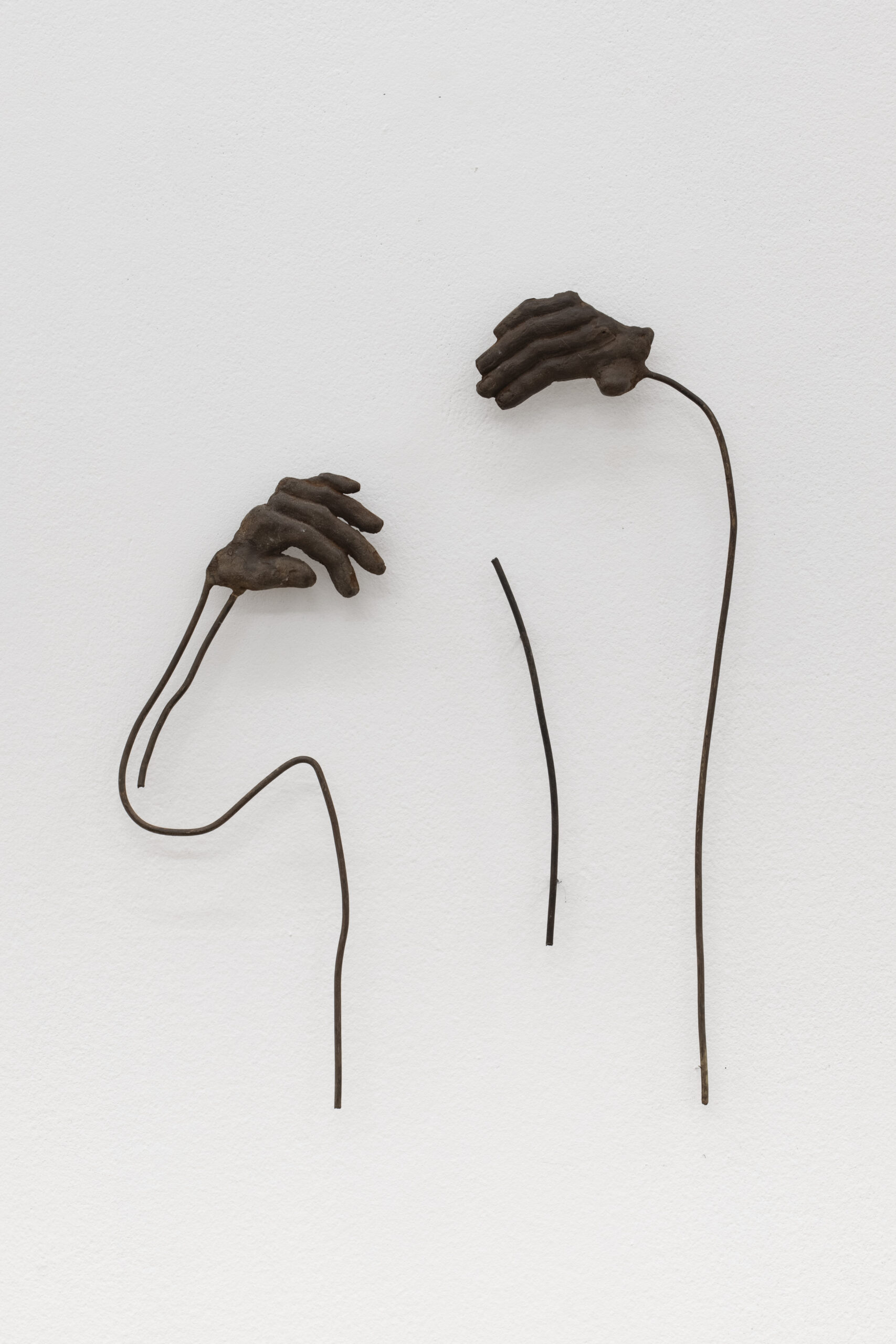
The Shadow of Lustre VIII, 2024
Amol K Patil
Bronze
50 x 35 cm
Ed 1/2 (+1 AP)
Courtesy of the artist and Galerie Peter Kilchmann, Zurich,Paris
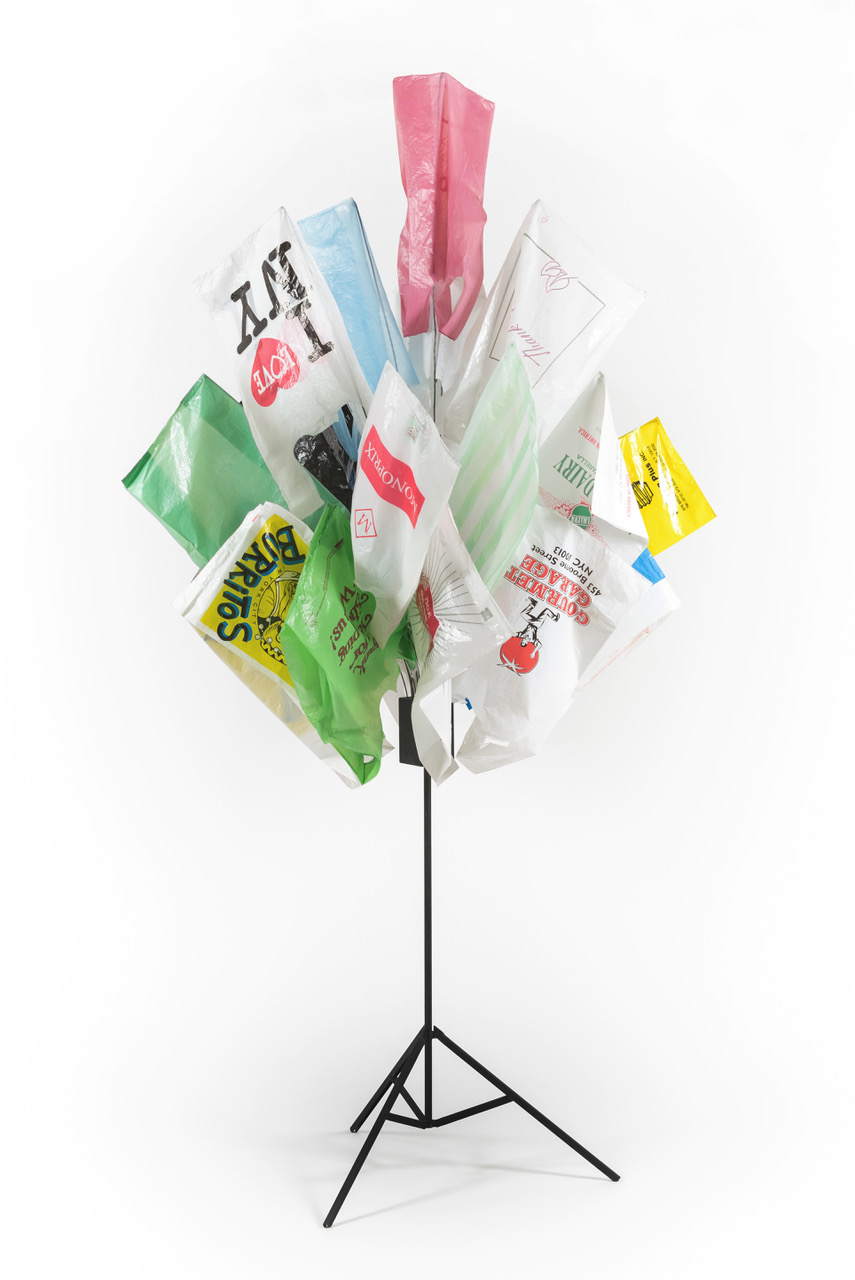
Bunch #4, 1996
B. Wurtz
Metal, wood, wire, enamel paint, plastic bags
ca. 250 cm
Photo Jan Hecl
Courtesy of the artist and Gregor Podnar Vienna
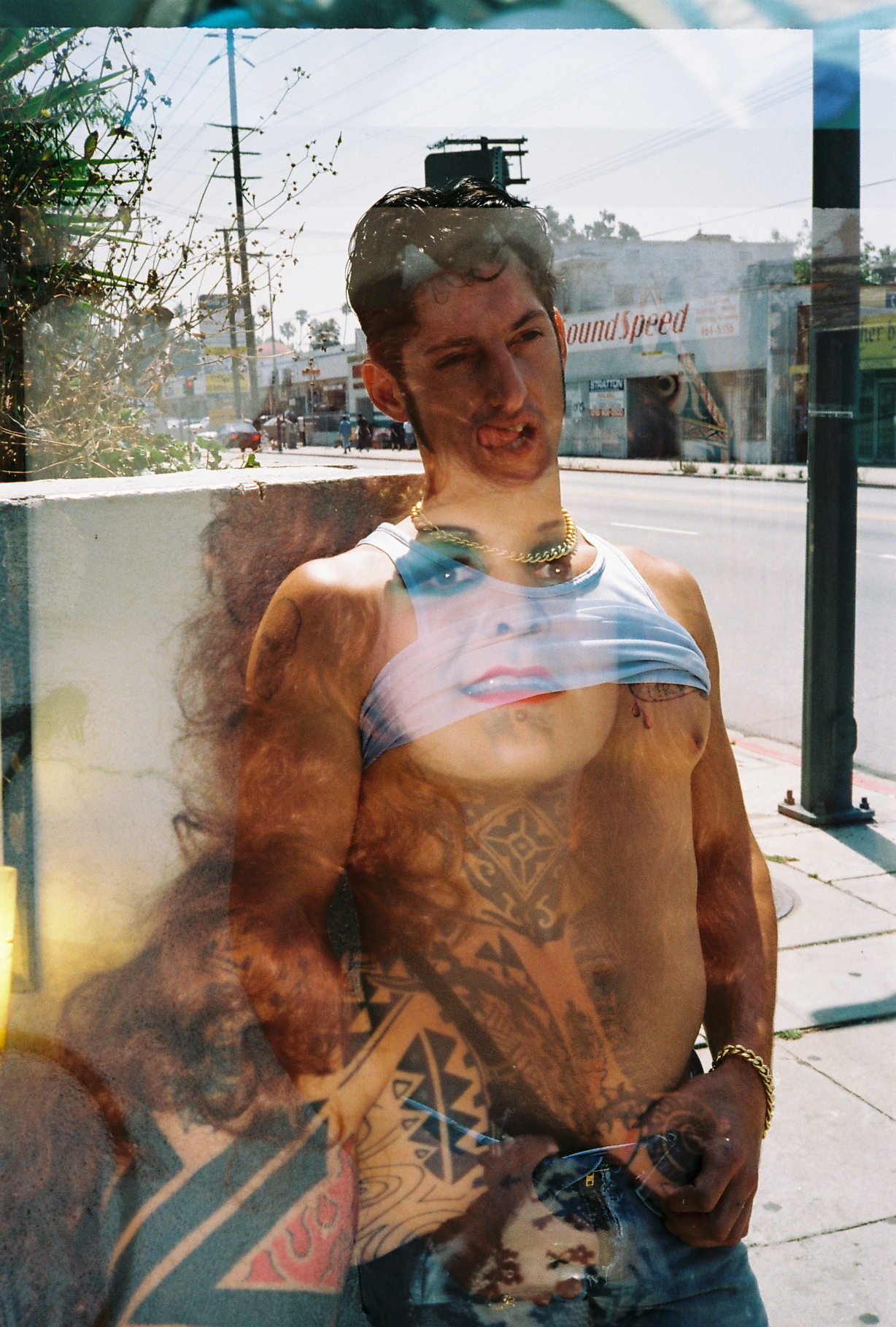
Tony and Wynonny, 1995
Bruce LaBruce
C-Print, framed
45,72 x 35,56 cm
Ed 2/3
Courtesy of the artist and Bonny Poon, Toronto
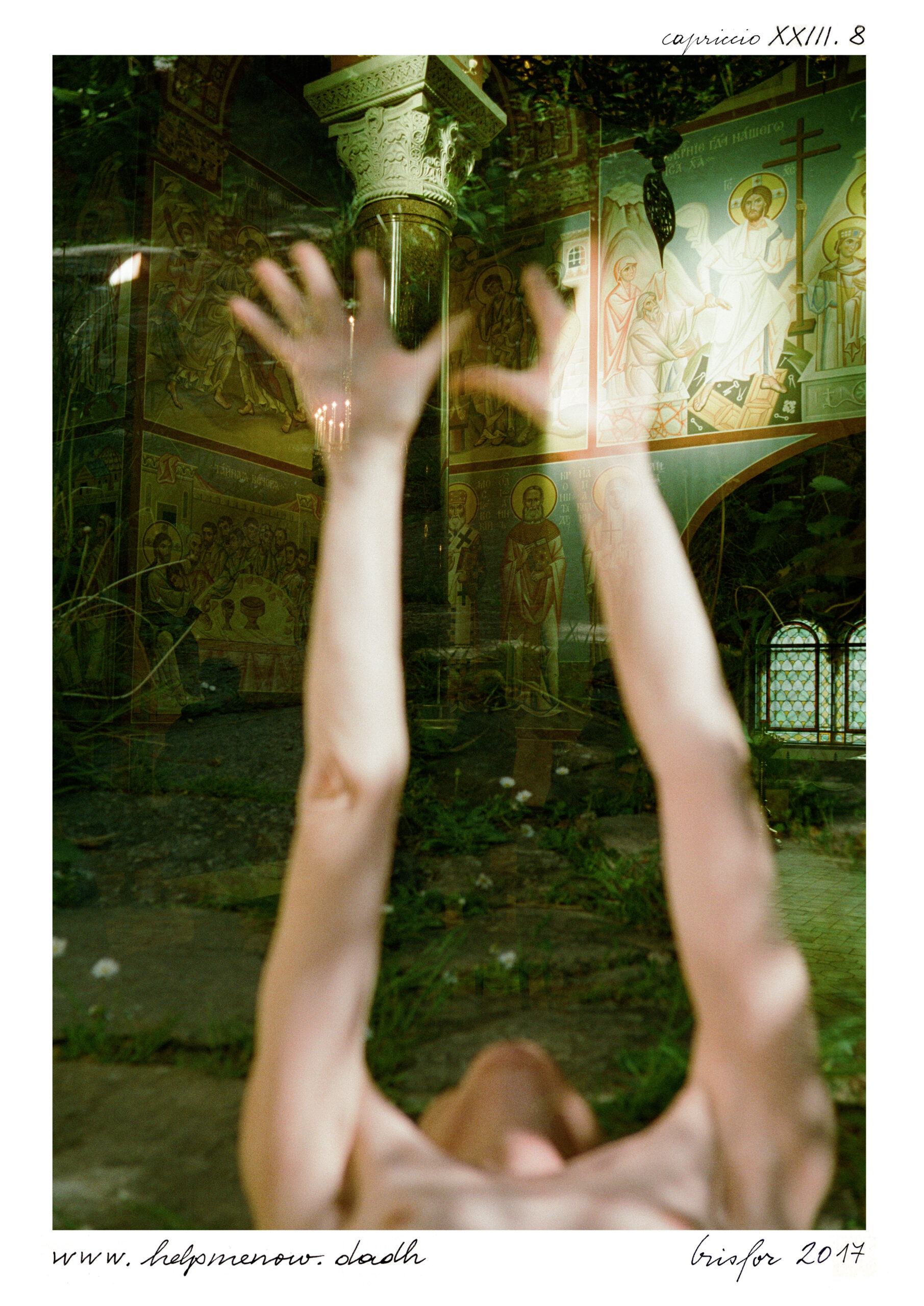
capriccio XXIII.8, 2017
Crisfor
Analog double exposure, Museum Etching, mounted on Dibond
43.2 x 30.9 cm
Courtesy of the artist
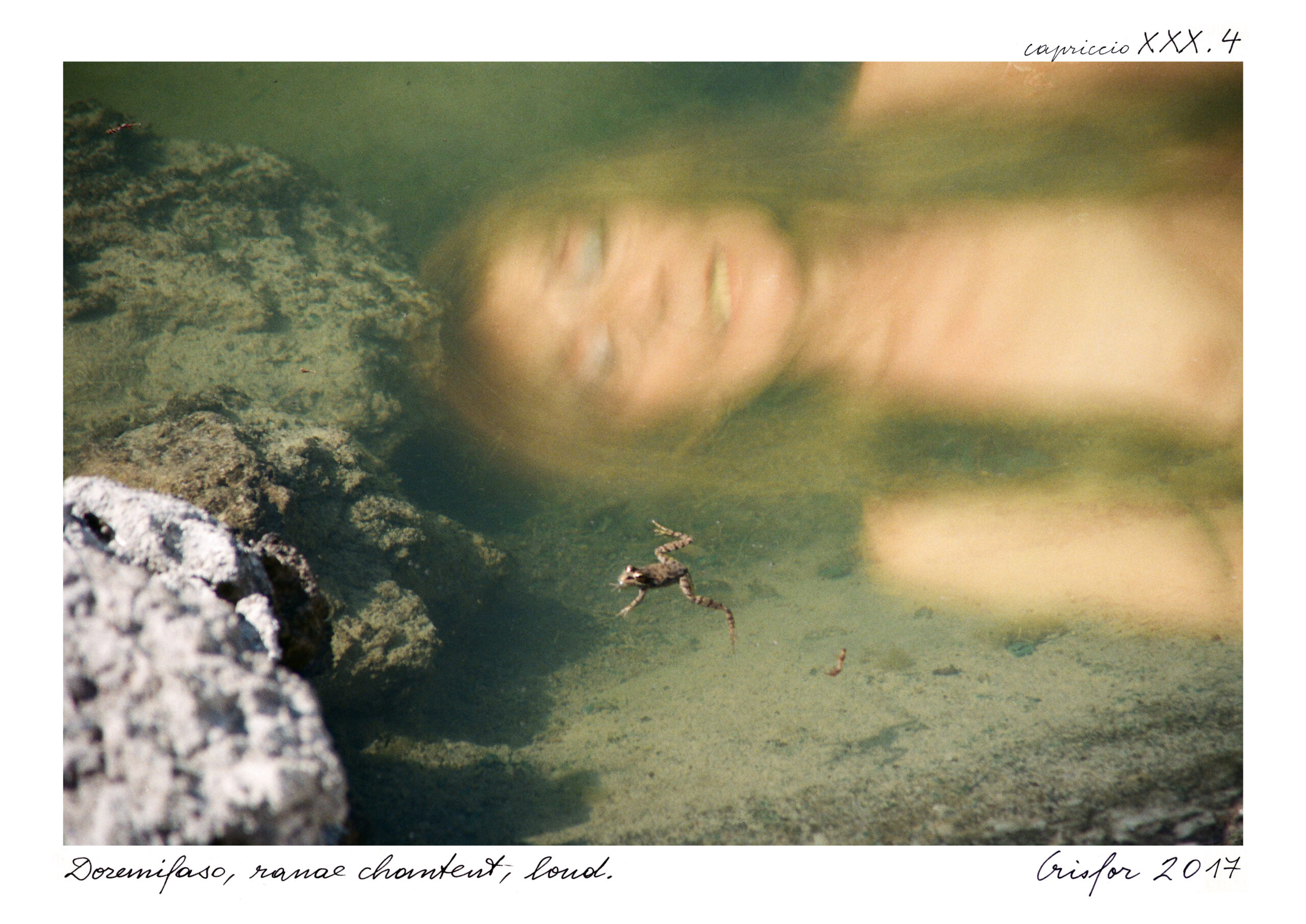
Capriccio XXX 4, 2017
Crisfor
Analog double exposure, Museum Etching, mounted on Dibond
30.9 x 43.2 cm
Courtesy of the artist
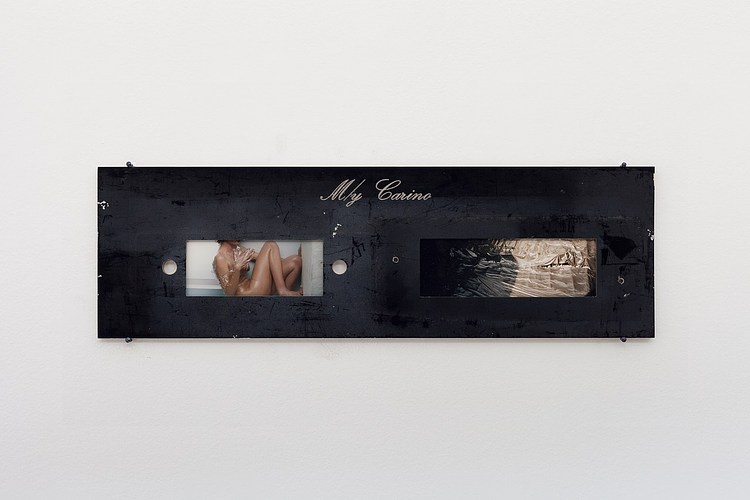
M/y Cariño IV, 2026
Giorgos Tigkas
C-Print, aluminium, glass, plywood
13 x 43 x 1 cm
Courtesy of the artist and Radio Athènes
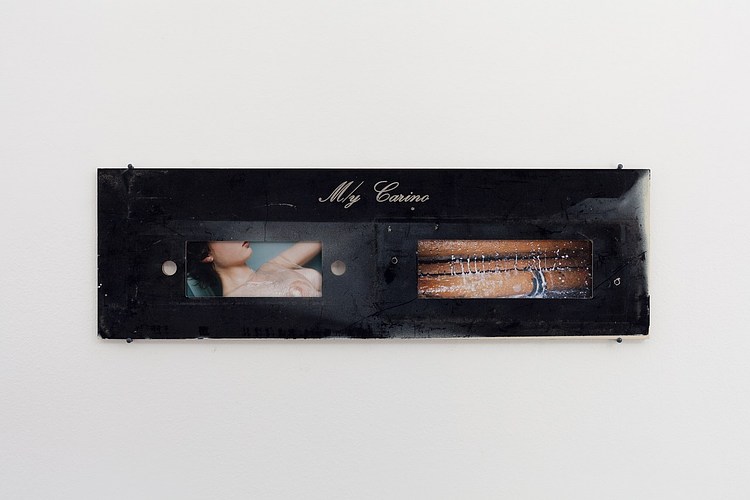
M/y Cariño III, 2026
Giorgos Tigkas
C-Print, aluminium, glass, plywood
13 x 43 x 1 cm
Courtesy of the artist and Radio Athènes
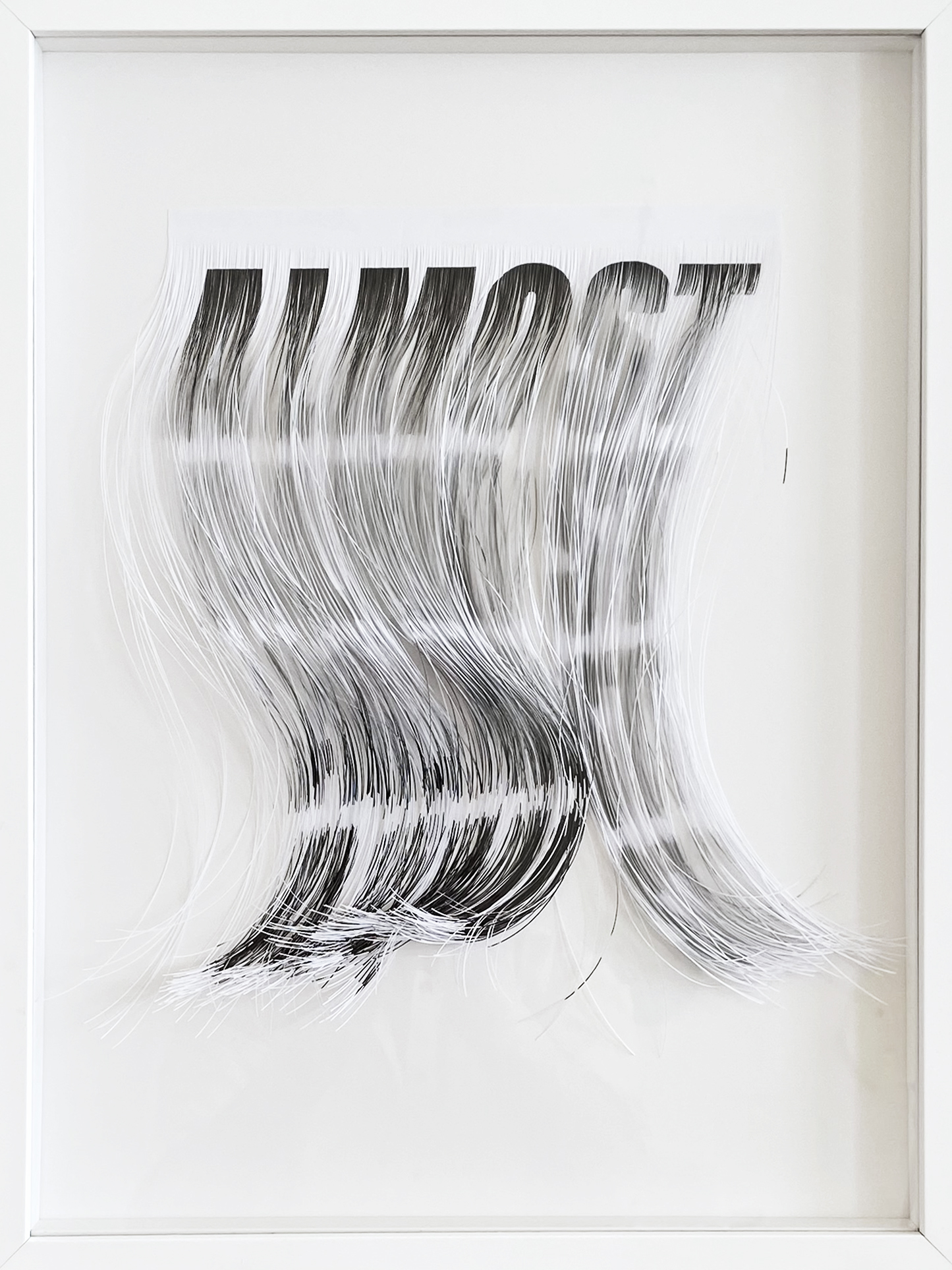
ALMOST, 2026
Herbert De Colle
sliced print
40 x 30 cm
Courtesy of the artist
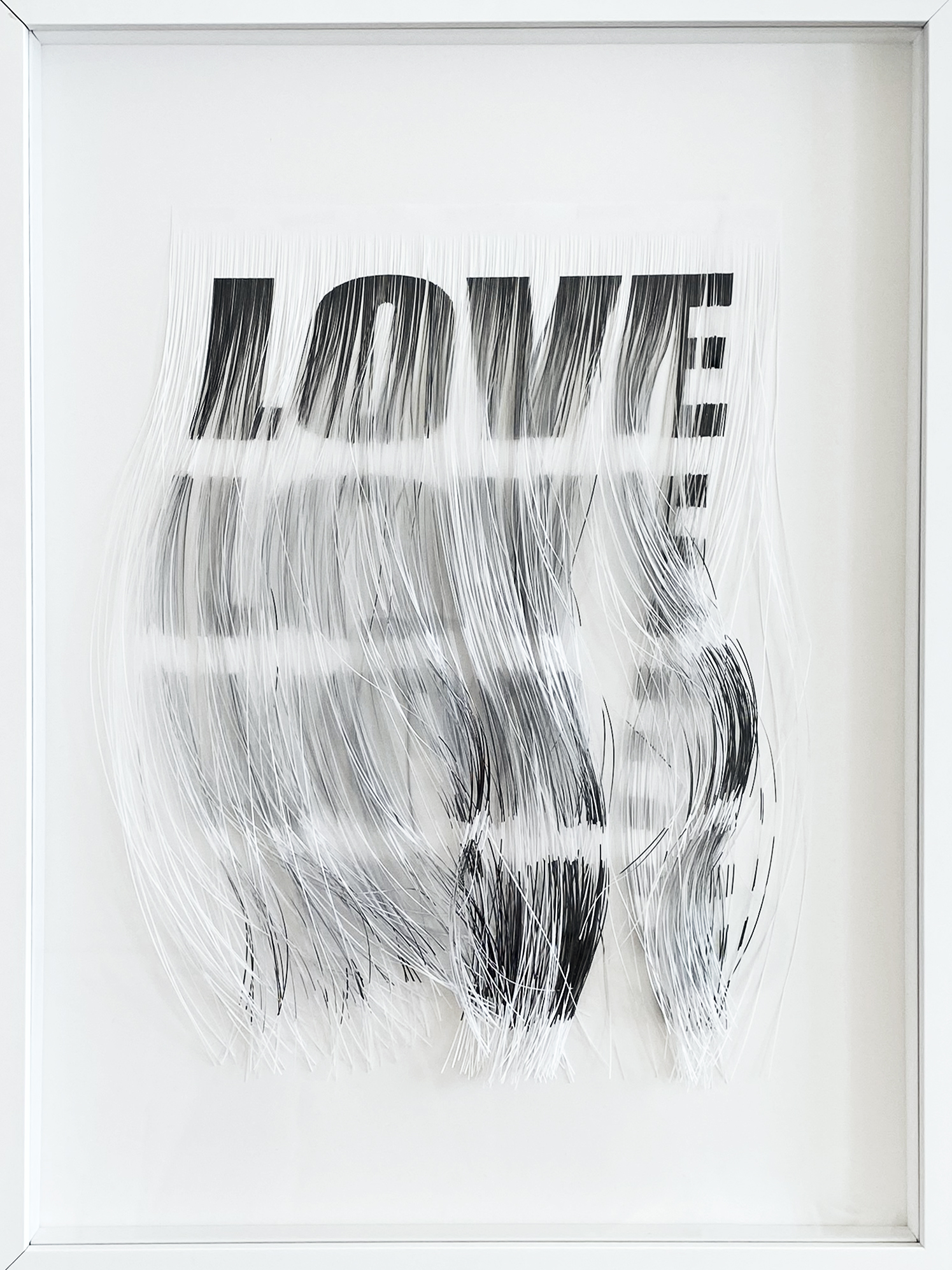
LOVE, 2025
Herbert De Colle
sliced print
40 x 30 cm
Courtesy of the artist
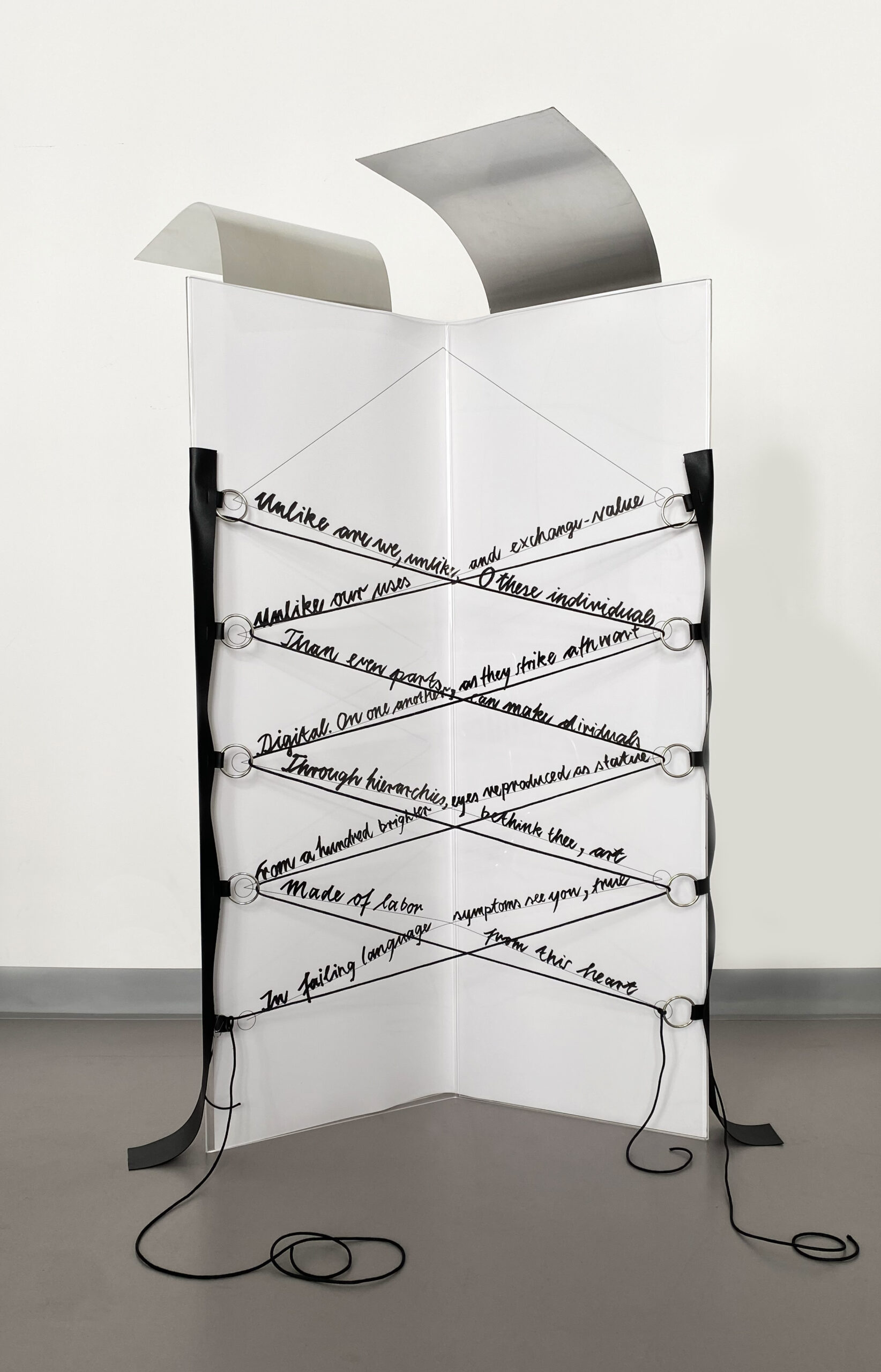
Unlike Are We, Unlike (They Call It Love), 2026
Jenni Tischer
plexiglass, aluminium, paper, cactus leather, metal rings, string
90 x 55 x 30 cm
Courtesy of the artist and Krobath Wien
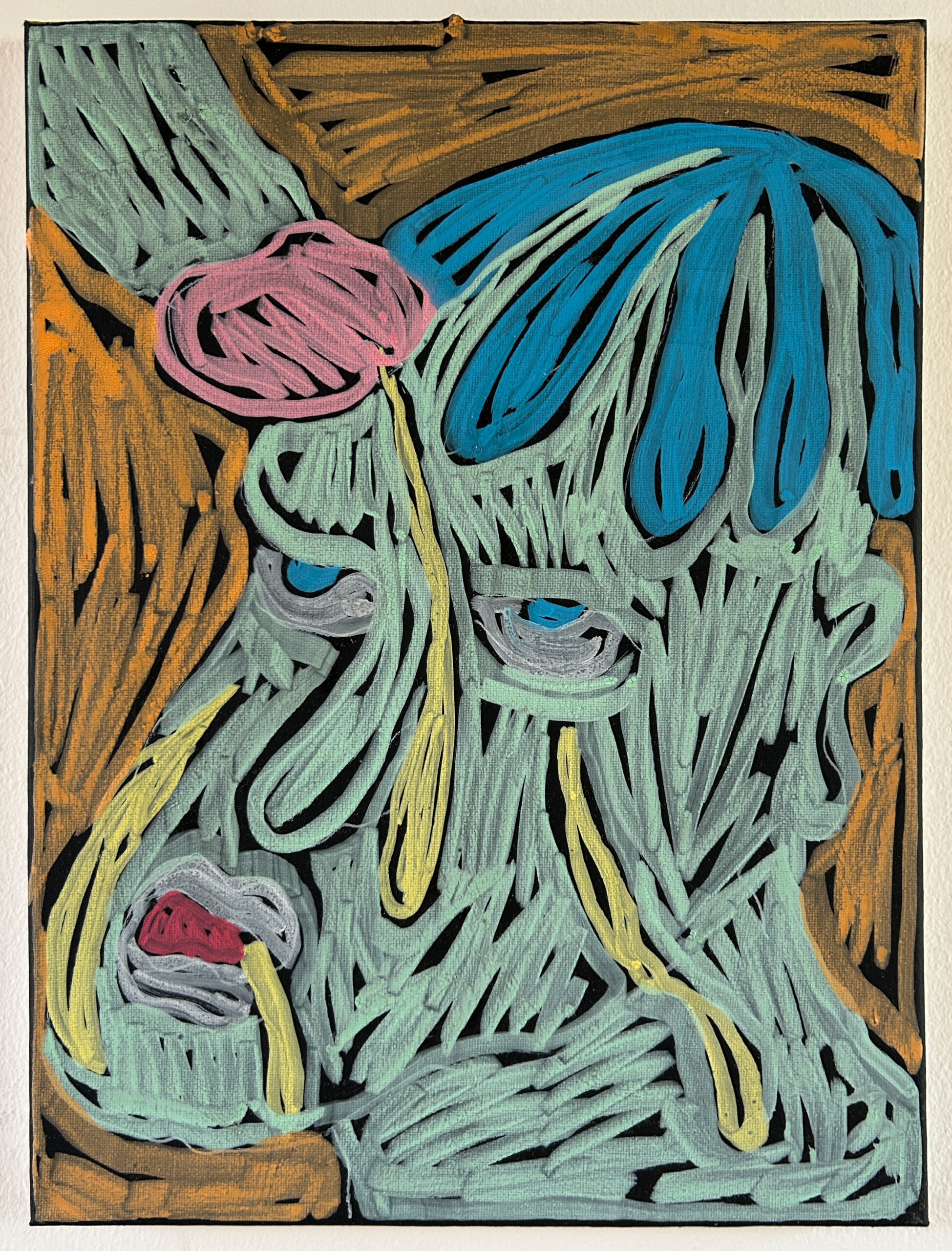
WHEN IN ROME, 2026
Rade Petrasevic
acrylic on canvas
30 x 40 cm
Courtesy of the artist
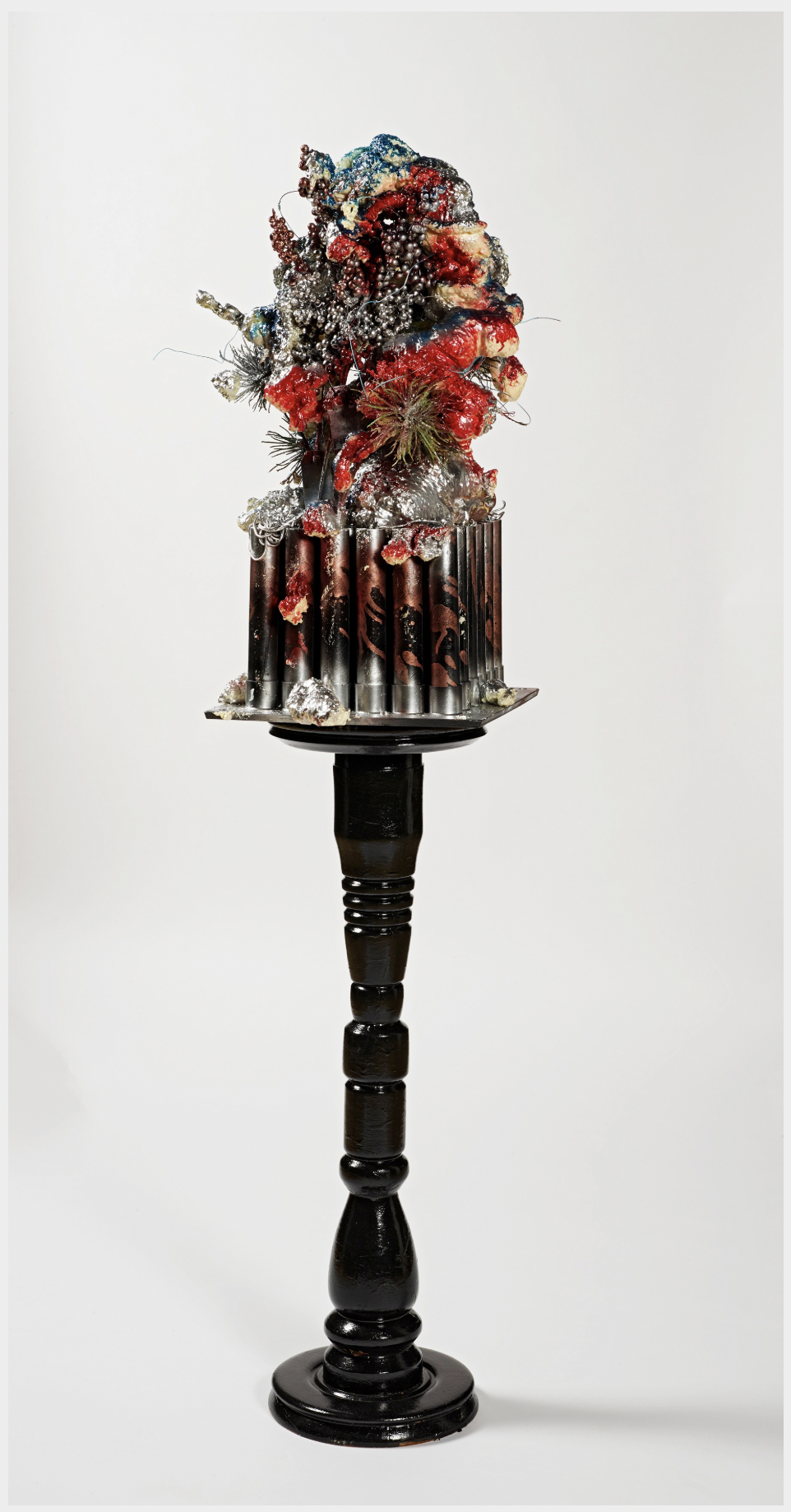
Wuchtige Abschüsse von Brillant-Bombetten, Knatter-Wolken und Palmstern-Buketten, 2018
Michaela Eichwald
Firework battery, polyurethane foam, chrome lacquer, plastic and spray paint
133 x 31 x 31 cm
Courtesy of the artist and Galerie Isabella Bortolozzi